What happened
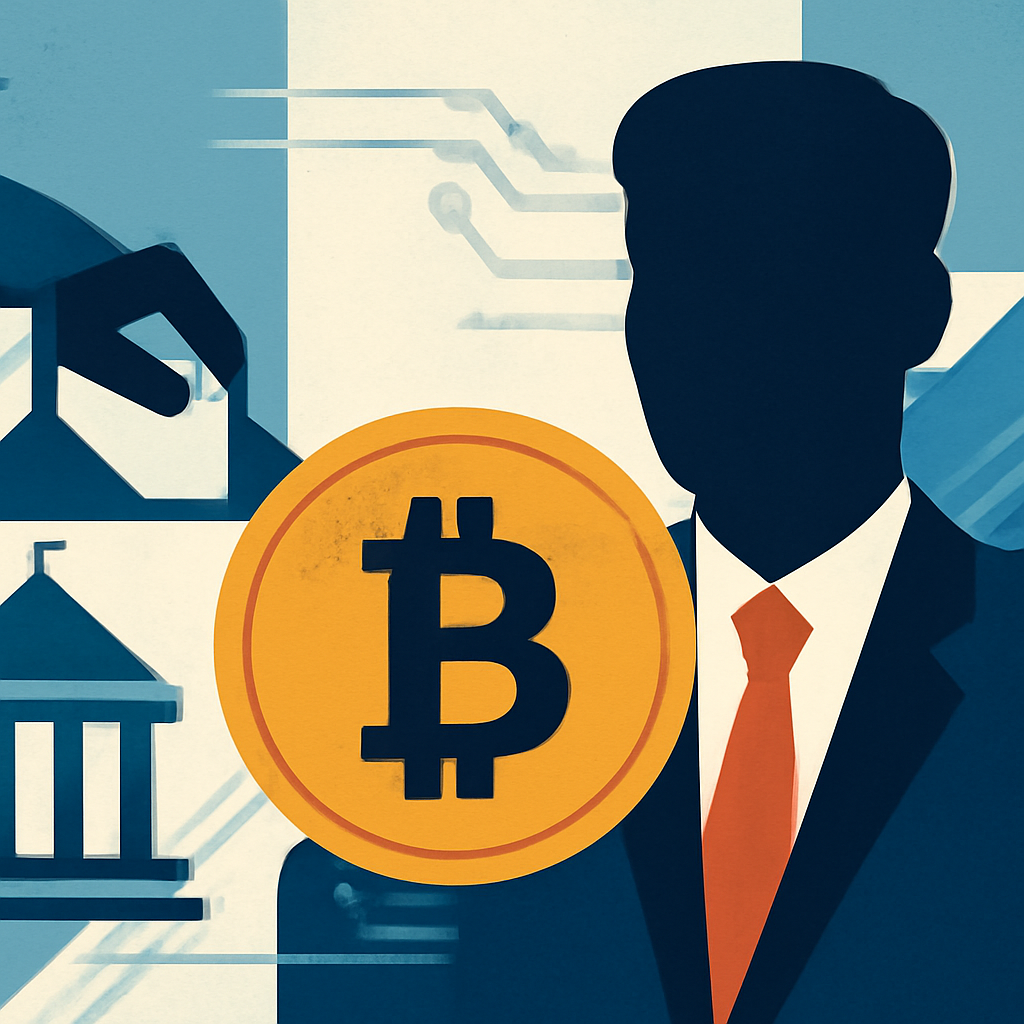
Modern elections have transformed into multi-billion dollar enterprises, where political campaigns focus more on corporate interests than on serving the average citizen. This shift has turned politics into a game dominated by large companies that invest heavily in politicians, effectively purchasing influence and favorable legislation.
Why this matters
As corporations funnel money into political campaigns, politicians respond by creating laws and tax incentives that benefit these companies, often at the expense of the public. This dynamic not only enriches the corporations but also leads to inflation, as the government resorts to printing more money to support failing enterprises, ultimately devaluing the savings of everyday families.
Context
This scenario highlights a fundamental flaw in the current political landscape: voting and democratic processes are increasingly ineffective when the system prioritizes corporate profits over citizen welfare. The emergence of Bitcoin serves as a direct response to this broken system, as it offers an alternative to traditional currency that can be manipulated by politicians and corporations.
What it means
In essence, the intertwining of money and politics presents a significant challenge to democracy. It underscores the importance of seeking alternatives like Bitcoin, which allows individuals to hold value outside the traditional financial system. By investing in Bitcoin, citizens can safeguard their savings from the impact of inflation and the whims of corporate interests, reclaiming some control over their financial futures.