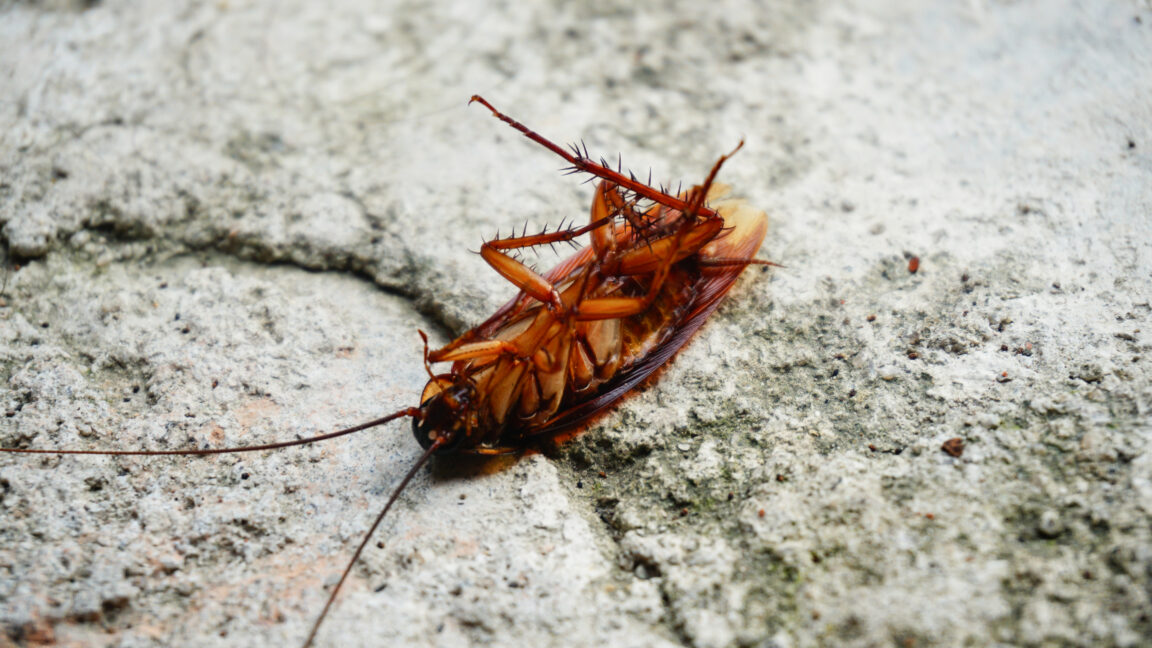
In a fascinating revelation this week, researchers have uncovered that cockroaches are not just resilient creatures; they are also genetic sponges, having incorporated fragments of bacterial genomes into their own DNA over millions of years. This phenomenon, known as horizontal gene transfer, is not limited to the microbial world but extends to multicellular organisms, challenging traditional views of how genetic material is shared across species.
Previously, the concept of horizontal gene transfer was primarily associated with bacteria and archaea, organisms that thrive in environments rich with DNA from decaying cells. The absence of a membrane separating their DNA from the cell's interior facilitates the uptake of foreign genetic material. However, this new study shines a light on the remarkable frequency of such transfers in cockroaches, suggesting that these insects have had a long history of genetic exchange with bacteria.
This study adds to our understanding of evolutionary biology, illustrating that the tree of life is not just a simple branching diagram but rather a complex web of connections formed by genetic exchanges. Such findings could have implications for how we view the adaptability and evolution of various species, including those as seemingly simple as cockroaches, which have thrived for millions of years in diverse environments.
As we continue to explore the genetic landscapes of various organisms, the role of horizontal gene transfer may prove crucial in understanding the complexities of evolution and biodiversity.