What happened
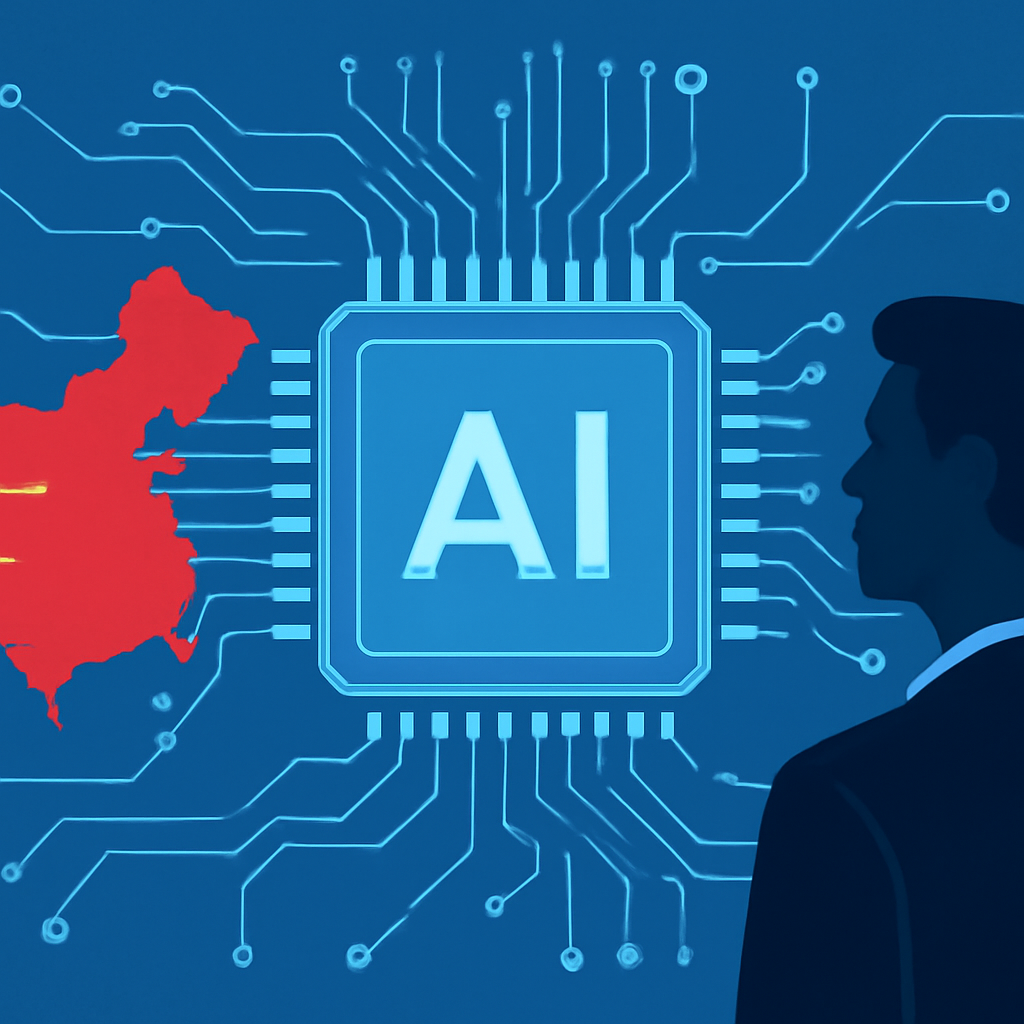
Dean Ball, a recent addition to OpenAI's leadership, has raised eyebrows with his insights on China's AI chip independence. He argues that despite China's public claims of self-sufficiency in chip production, leading AI companies in the country are actively seeking access to American technology. This contradiction reveals a deeper narrative about China's capabilities and ambitions in the AI sector.
Why this matters
The implications of Ball's observations are significant. If Chinese firms like DeepSeek and Alibaba are indeed pushing for access to U.S. chips, it suggests that the country's advancements in AI may be overestimated. This reliance on foreign technology could hinder China's competitive edge in the long run, especially as the global AI race intensifies. National pride may be sacrificing practical competitiveness, an issue that could affect innovation and growth in the sector.
Context
Historically, China has aimed to become a leader in technology and innovation, particularly in AI. The government has heavily invested in domestic chip manufacturing to reduce reliance on Western technologies. However, the reality of the situation may be more complex, as evidenced by the lobbying efforts from major tech companies. This tension between public statements and private needs highlights the challenges China faces in achieving true independence in critical technologies.
What this means
Ball's perspective underscores a significant reality check for China's AI ambitions. As the country navigates its path toward technological self-sufficiency, the struggle between national pride and practical needs could lead to setbacks. If Chinese companies continue to seek U.S. chips, it may not only stifle innovation but also expose vulnerabilities in China's strategy to dominate the AI landscape. The long-term effects of this dynamic will be crucial to watch as the global competition in AI evolves.