What Happened
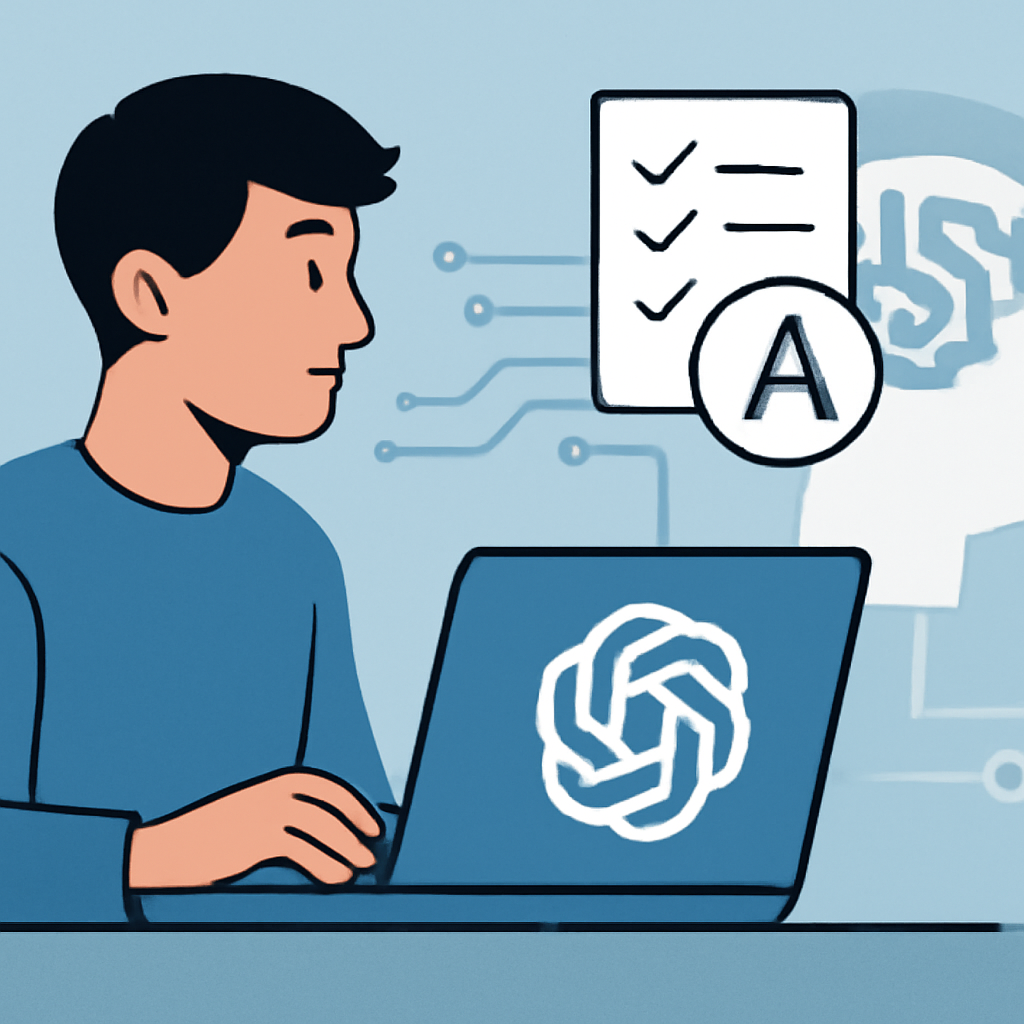
In American universities, particularly at the large research institution in Texas, there has been a noticeable increase in grades following the introduction of ChatGPT. A study conducted by Igor Chirikov from the University of California, Berkeley, analyzed over 500,000 grades across eight semesters. It was found that in courses with a high volume of written assignments and programming—where AI excels—the percentage of top grades (A) increased by 13 percentage points, amounting to approximately 30% compared to 2022.
Why This Matters
This sharp rise in grades raises questions about the actual academic performance of students. If grades are improving but knowledge is not, it might indicate that the education system is facing new challenges related to the integration of technology. Educational institutions need to consider how to adapt their assessment and teaching methods to maintain educational quality.
Context
The emergence of ChatGPT and other similar AI systems has transformed the approach to learning and task completion. Students can now leverage these technologies for assistance in writing papers and solving problems, which may diminish their motivation to learn and grow. This research underscores the necessity of reevaluating how student knowledge and skills are assessed in an era of active AI usage.
What This Means
A rise in grades without a corresponding increase in knowledge levels could lead to the devaluation of diplomas and a decline in graduate quality. Educational institutions must acknowledge the impact of technology on learning and reassess their standards. There may be a need for the implementation of stricter assessment methods, as well as training students on the proper use of AI in their educational journey to ensure it enhances their skills rather than replaces them.