What happened
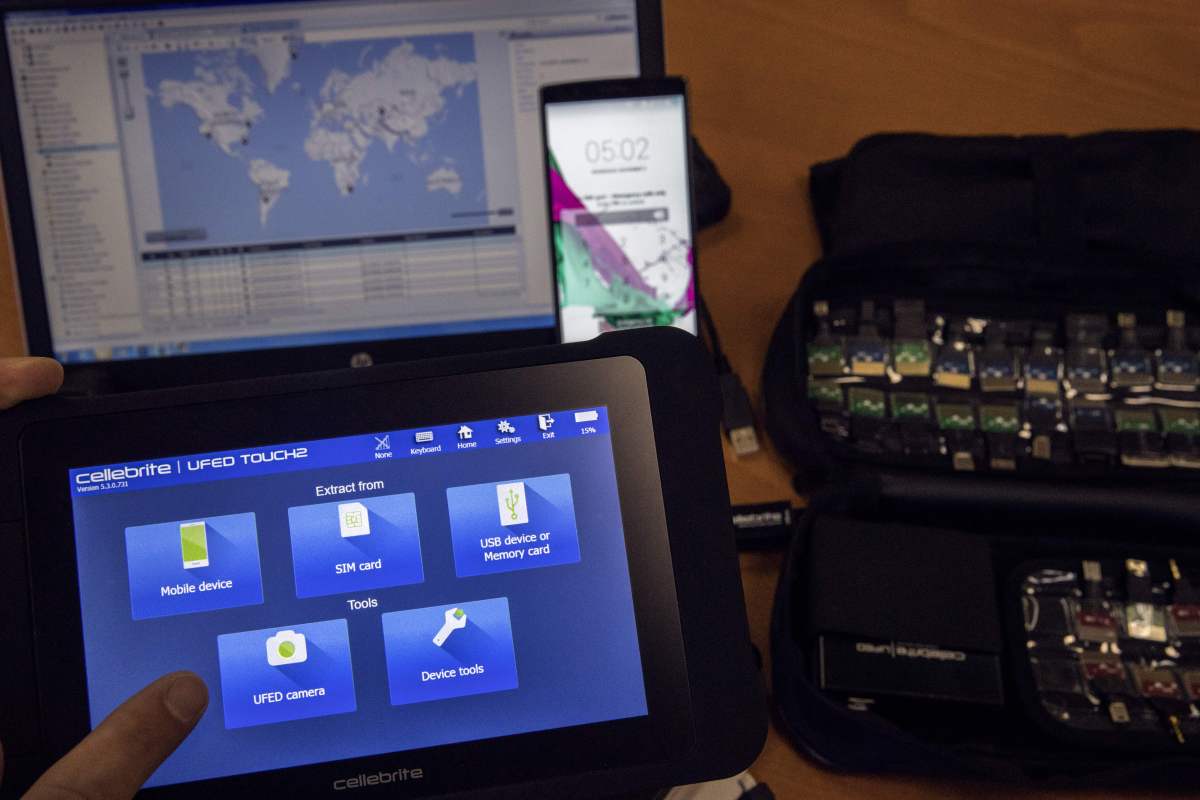
Cellebrite, a company known for its phone unlocking technology, announced it would cease operations in Russia in response to the country's actions. However, recent discoveries indicate that Russian authorities still managed to use Cellebrite's tools to hack into the iPhone of a political opponent.
Why this matters
This situation highlights a significant gap between a company's stated policies and the real-world implications of their products. Even with a commitment to cut ties, the existence of these powerful tools means they can still be misused by authoritarian regimes, raising concerns about corporate responsibility and the effectiveness of compliance measures.
Context
Cellebrite has been a prominent player in the digital forensics market, supplying law enforcement and government agencies with tools to unlock and extract data from mobile devices. The decision to withdraw from Russia came amid growing scrutiny and pressure from human rights advocates, who argue that such technology can facilitate human rights abuses.
What this means
The ability of Russian authorities to still access Cellebrite's technology underscores the challenges companies face in controlling the use of their products once they are in circulation. This incident serves as a stark reminder of the complexities surrounding technology, ethics, and governance, and raises critical questions about the accountability of tech firms in ensuring their tools do not contribute to repression or violations of rights.