What happened
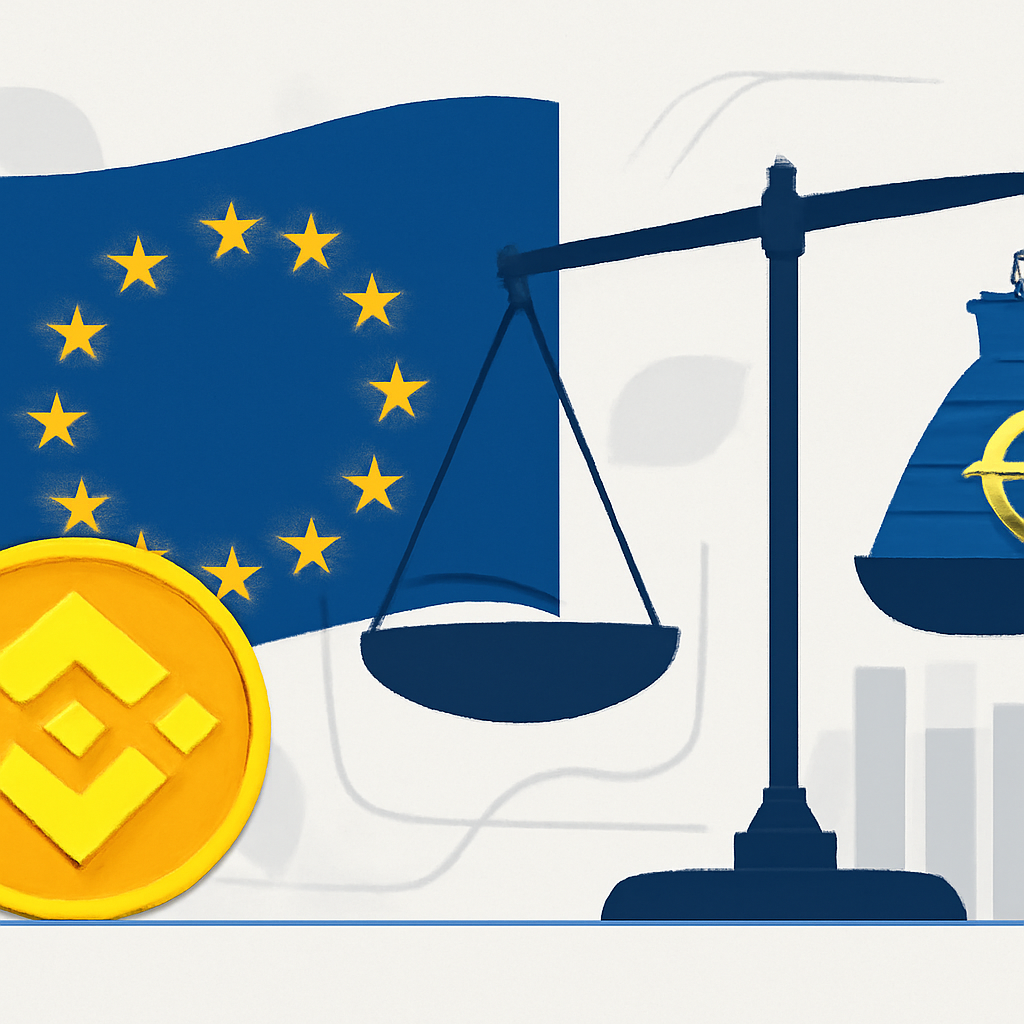
Binance, a major cryptocurrency exchange, has failed to secure its MICA (Markets in Crypto-Assets) license in time for its European users. This situation forces users to transfer their funds to other licensed exchanges before the deadline of July 1st. The MICA legislation aims to regulate crypto markets across the European Union, ensuring user protection and market stability.
Why this matters
The lack of a MICA license means that Binance cannot legally operate in Europe, putting its users at risk of losing access to their funds. For users who remain on the platform, the urgency to act is paramount. Transferring funds to a licensed exchange is not only necessary for compliance but also for ensuring the security of assets. Failure to act could result in difficulties accessing or retrieving funds.
Context
The MICA regulation is part of a broader effort by EU authorities to bring order to the rapidly evolving cryptocurrency landscape. The licensing process involves scrutiny from financial authorities to ensure exchanges meet specific operational and security standards. Currently, several exchanges have successfully obtained their MICA licenses, providing a safer alternative for Binance users.
What this means
For those still using Binance, it's crucial to select a new exchange from the list of licensed platforms. Top options include Kraken and Coinbase, both of which have obtained their licenses and are recognized by regulatory authorities in their respective countries. When transferring funds, users should convert their assets to a single cryptocurrency that's affordable in terms of transaction fees. It’s advisable to perform a small test transfer before moving larger amounts to avoid any potential losses. Once the funds are safely transferred, users should convert them back to their preferred assets on the new exchange. Act now to ensure the safety and accessibility of your cryptocurrency holdings.