What Happened
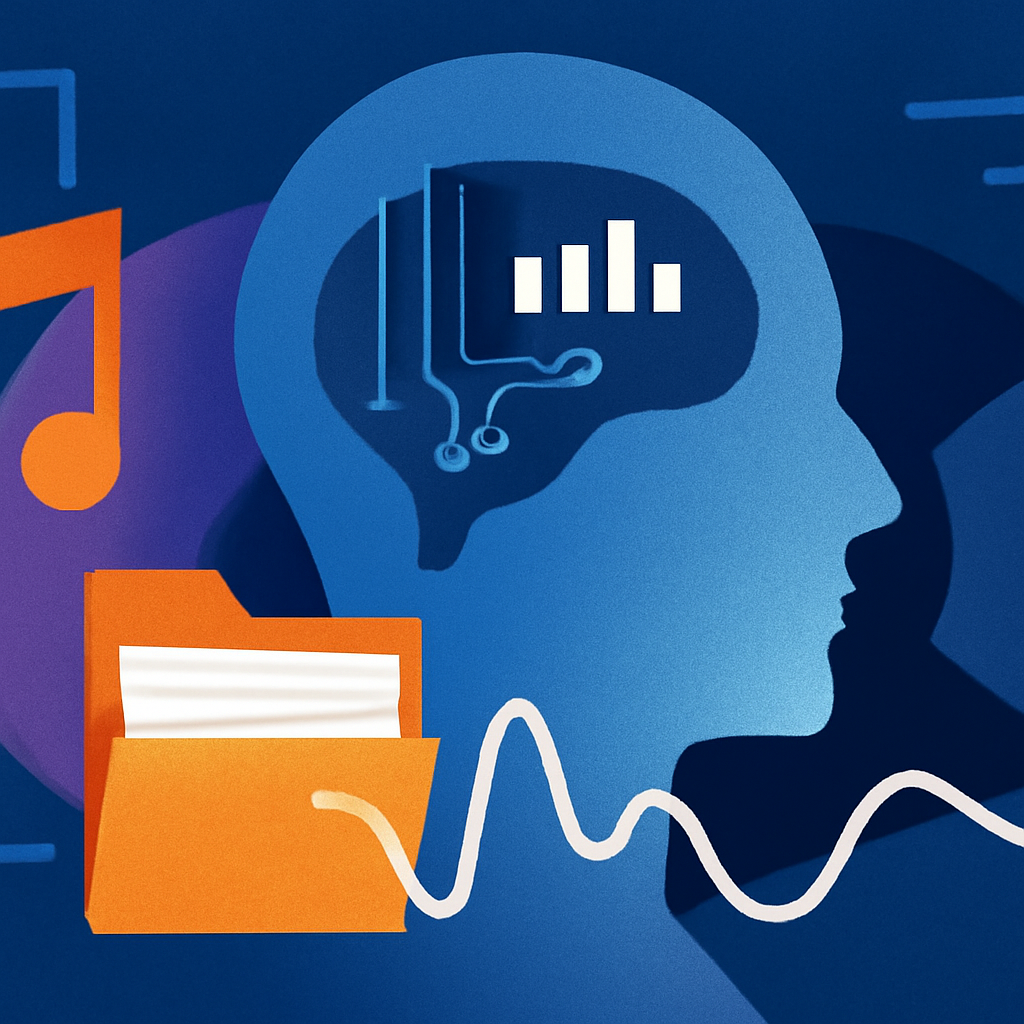
Journalists from the AI Watchdog project uncovered four large databases containing around 22 million protected music recordings. These recordings are reportedly used to train various AI models, including Suno, Udio, and Google’s developments. This revelation raises serious questions about the legality of using protected content in algorithm training.
Why It Matters
The discovery of such datasets raises critical issues regarding copyright compliance in the tech era. If AI utilizes protected works without permission, it could lead to legal disputes and a reevaluation of content usage rules. For artists and record labels, this means their rights may be infringed upon, impacting financial aspects and their control over their own creations.
Context
With the rising popularity of AI music generators like Suno and Udio, it has become clear that extensive datasets are necessary for training such systems. However, as practice shows, these datasets often contain protected works. This is not the first instance of disputes arising from the use of protected content, and there are increasing calls within the industry for clear rules and standards governing the interaction between AI and copyright.
What It Means
As a result of this scandal, there may be a reevaluation of approaches to using musical content for AI training. The industry might start demanding stricter regulations and transparency regarding the creation and use of datasets. This could also influence the development of new technologies and models, pushing developers to seek legal alternatives for training their systems, which could ultimately reshape the entire landscape of the music industry.