What happened
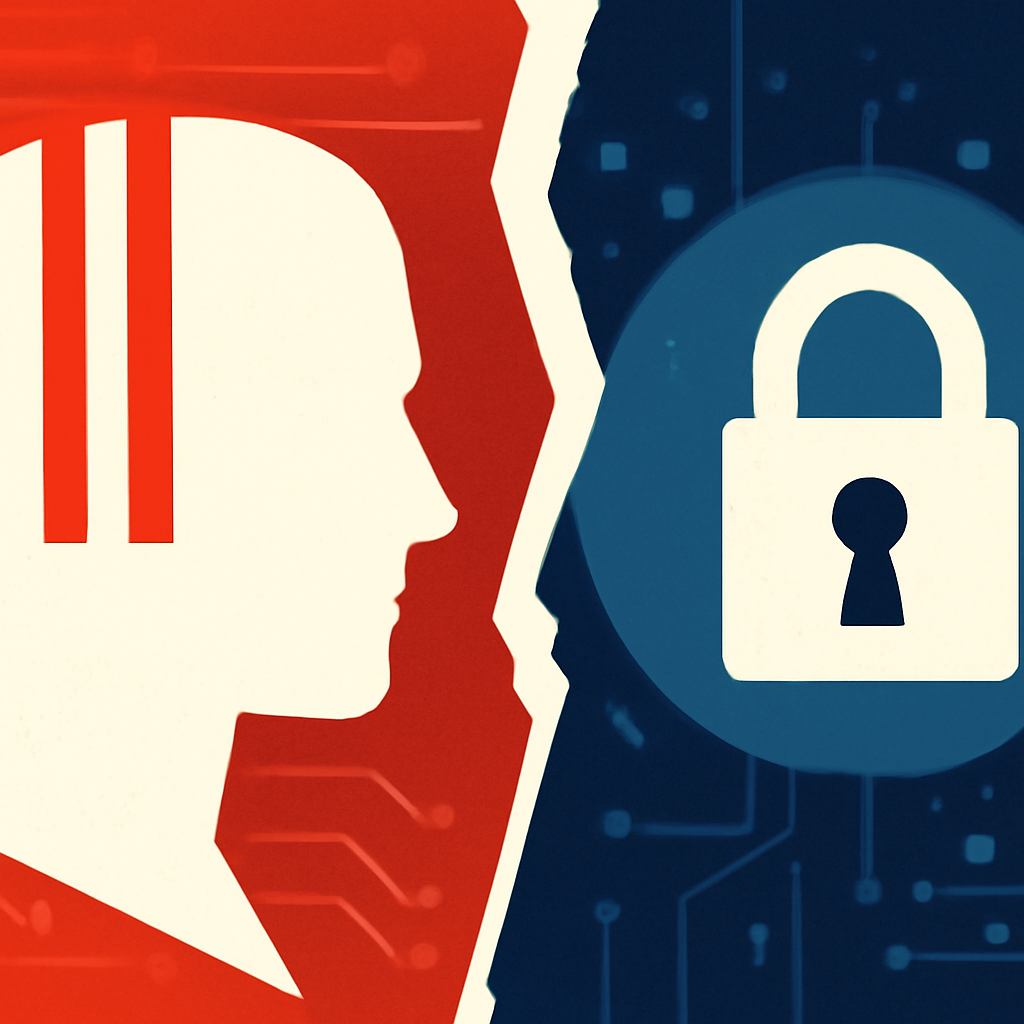
Recent reports indicate that the NSA has agreed to certain guidelines with Anthropic regarding artificial intelligence, notably prohibiting domestic mass surveillance and the development of autonomous lethal weapons. However, the situation became more complex following a significant security breach known as Mythos, which allowed intruders access to most classified networks within hours.
Why this matters
The implications of the NSA's agreements with Anthropic are profound, especially in a landscape where technological advances can rapidly outpace regulatory measures. The breach raises questions about the viability of these agreements. If a crisis arises, will the pressure to respond lead to a reevaluation of these red lines? This could have significant consequences not only for Anthropic but for the broader tech industry and national security policies.
Context
Historically, the relationship between government agencies and tech companies has been fraught with tension, particularly regarding surveillance and military applications of technology. The NSA's previous surveillance programs have faced backlash, prompting a push for more transparent and ethical guidelines. The recent agreement with Anthropic seemed like a step toward a more responsible approach to AI development in alignment with public concerns.
What this means
The future of Anthropic's red lines remains uncertain. The recent breach could lead to increased scrutiny and a potential shift in priorities for the NSA. If the pressure mounts during a crisis, the foundational agreements might be at risk of being disregarded. The situation serves as a critical reminder of the delicate balance between technological innovation, security, and ethical considerations in the rapidly evolving landscape of artificial intelligence.