What happened
A new perspective is emerging in the realm of artificial intelligence. Instead of just viewing AI as a set of tools that perform tasks, there's a growing belief that we might be entering an era where humans act as supervisors to multiple AI agents simultaneously. This transition raises important questions about the nature of work itself and how roles may evolve as AI capabilities expand.
Why this matters
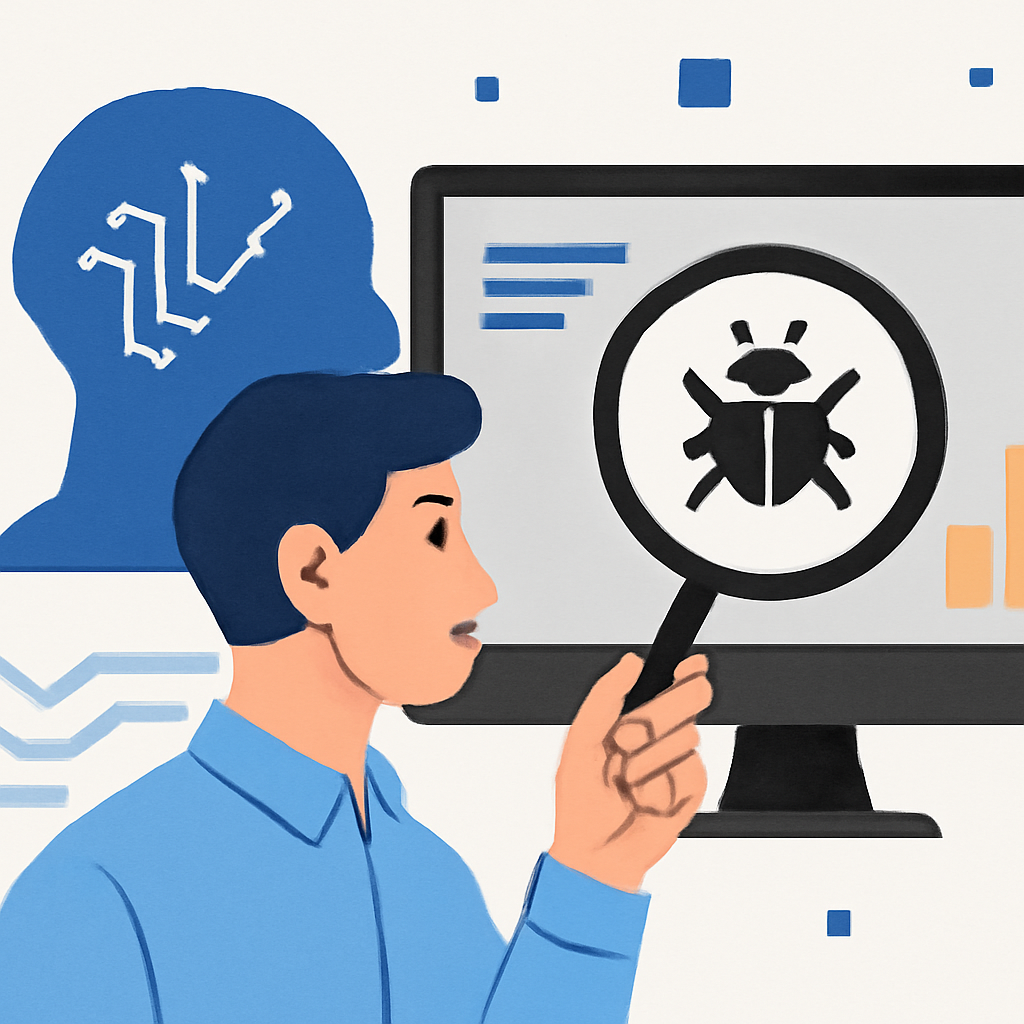
The implications of this shift could be profound. If humans begin to oversee numerous AI systems, the dynamic of the workplace will change significantly. Instead of worrying about AI replacing jobs, the focus may shift to how humans can effectively manage and collaborate with these systems. This could lead to the creation of new job roles centered around monitoring, directing, and judging the outputs of AI, ensuring quality and ethical standards are met.
Context
Historically, the introduction of technology into the workplace has often led to fears of job displacement. However, as seen with previous technological advancements, new opportunities arise alongside automation. The idea of humans as the 'loop' in AI workflows is reminiscent of how industries adapted to machinery—workers transitioned to roles that required oversight, creativity, and critical thinking, skills that machines could not replicate.
What this means
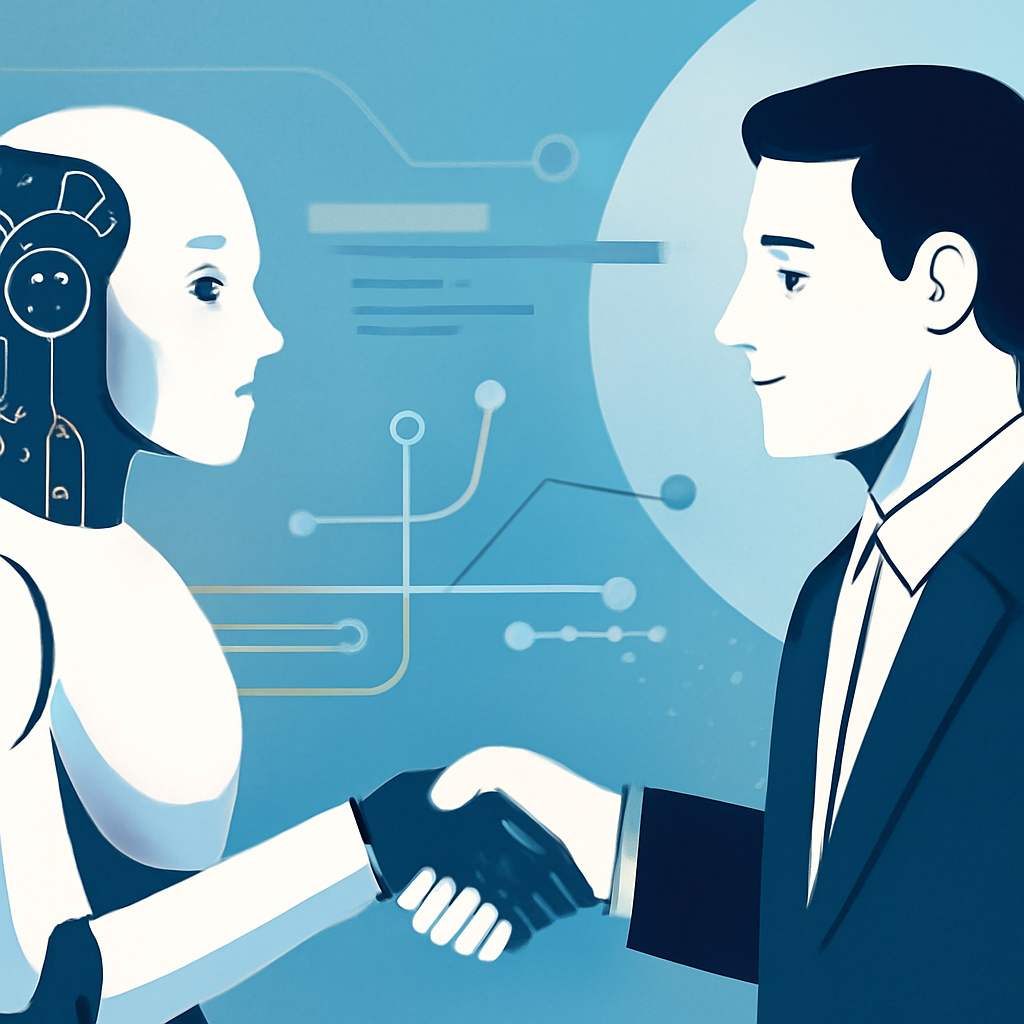
The future of work may increasingly involve a hybrid model where humans and AI coexist and collaborate. As the capabilities of AI expand to handle more complex tasks, the need for human judgment and direction may become even more crucial. This could foster a new type of workforce where the role of the human becomes one of guiding and enhancing AI performance, rather than competing against it. The pressing question remains: will the human-in-the-loop become a cornerstone of future work, or will it eventually fade as AI systems become more autonomous?