What Happened
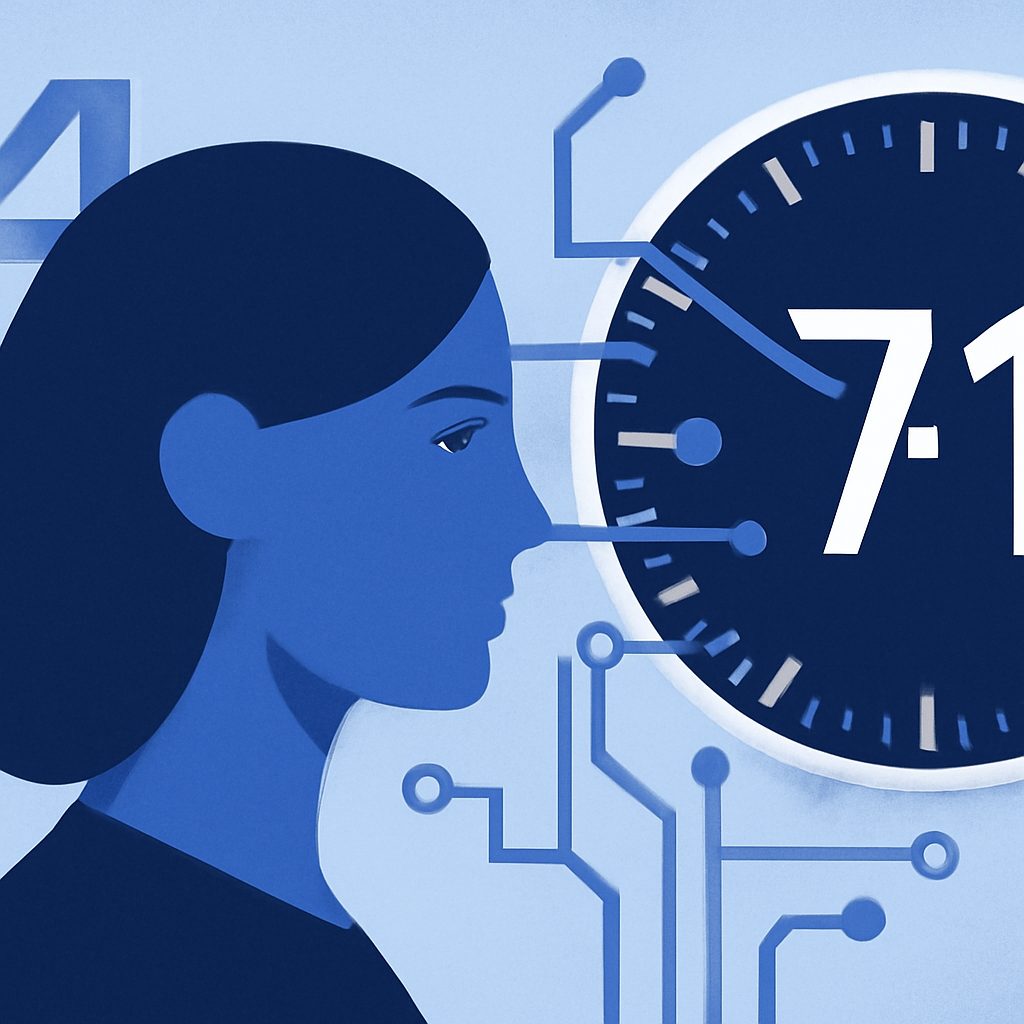
OpenAI released a study presenting data on how agent-based AIs, such as Codex, impact employees' workflows. Specifically, it was found that the top-performing workers in the company, who fall into the top 1% of productivity, can achieve results equivalent to 71 hours of work per day. This is made possible by running multiple AI agents simultaneously.
Why It Matters
These findings could significantly change our understanding of working hours and efficiency. If some employees can literally increase their working hours through AI, this creates inequality among workers. It also raises questions about how such technologies might affect the job market in the future, where skills in AI usage could become critically important.
Context
Agent-based AIs, like Codex, have become an integral part of the workflow in many companies. These systems can perform tasks that previously required human involvement, opening new horizons for productivity enhancement. At OpenAI, AI is already actively used to optimize various processes, and the results indicate that it is indeed effective.
What It Means
The study's results highlight that the integration of AI in the workplace can create a new dynamic within teams. On one hand, it allows for high achievements; on the other hand, it may leave workers who do not utilize AI at a disadvantage. It is crucial to recognize that the future job market will depend on the ability to adapt to new technologies, and those who fail to master them may lose their competitive edge.