What Happened
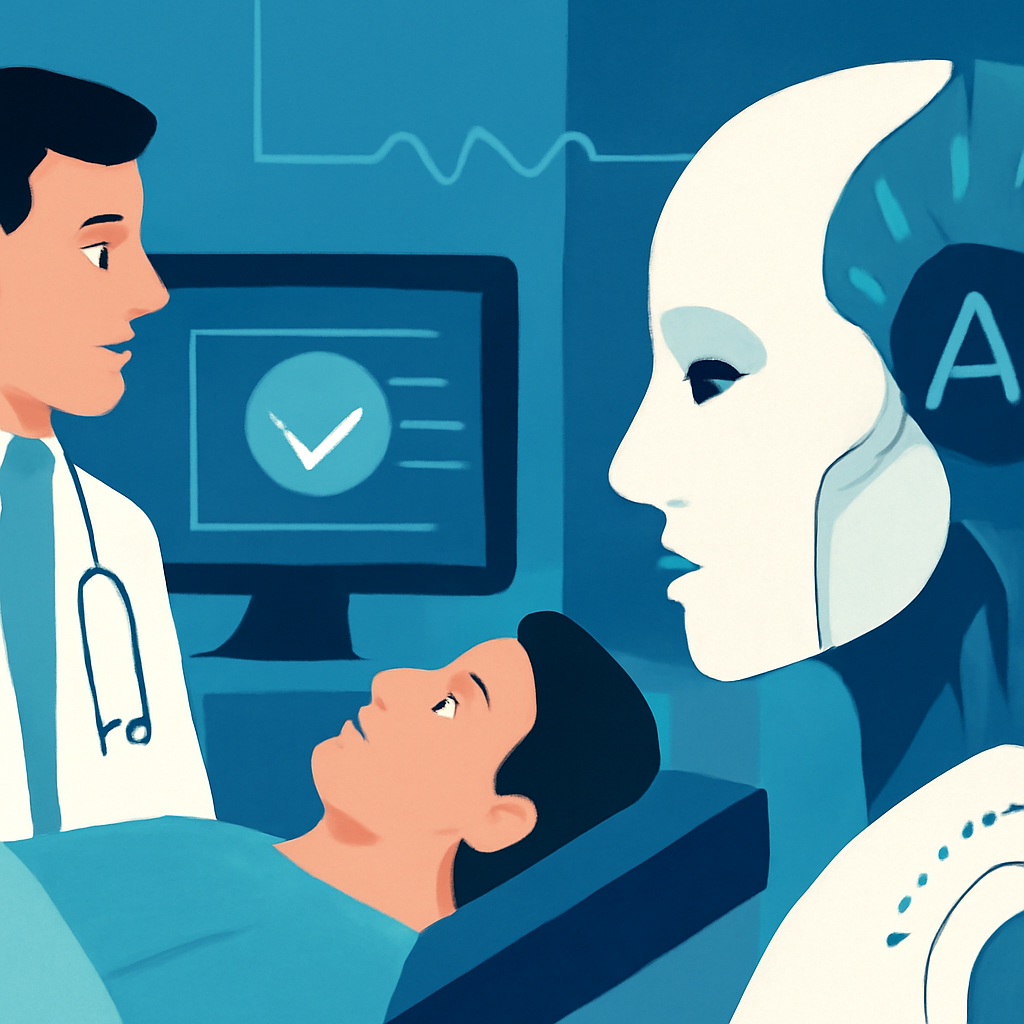
Conno Christu, a 35-year-old man who actively monitored his health with various devices and tests, was diagnosed with aggressive non-Hodgkin lymphoma. After six months of treatment, he was on the verge of receiving an additional course of radiation therapy that could harm his heart and lungs. However, he uploaded his medical scans to an AI system called Claude, which predicted with 90% probability that this was a false alarm.
Why This Matters
Conno's story highlights the importance of utilizing technology in medicine. Artificial intelligence can analyze data faster and more accurately than humans, which can help prevent unnecessary and potentially harmful procedures. This approach not only saves time and resources but also protects patients' health from excessive medical interventions.
The Context
Modern medical technologies, including AI, are becoming increasingly prevalent in disease diagnosis. Claude is a system that uses algorithms to analyze medical images and other data to make predictions about a patient's condition. This case underscores the importance of integrating such technologies into traditional medicine to enhance diagnostic accuracy.
What It Means
The success of Claude in Conno Christu's case demonstrates that AI can serve as a reliable assistant to doctors, reducing the risk of diagnostic errors. This opens new horizons for the application of technology in healthcare, making diagnosis safer and more effective. As technology continues to evolve, we can expect its impact on medicine to grow even further.