What Happened
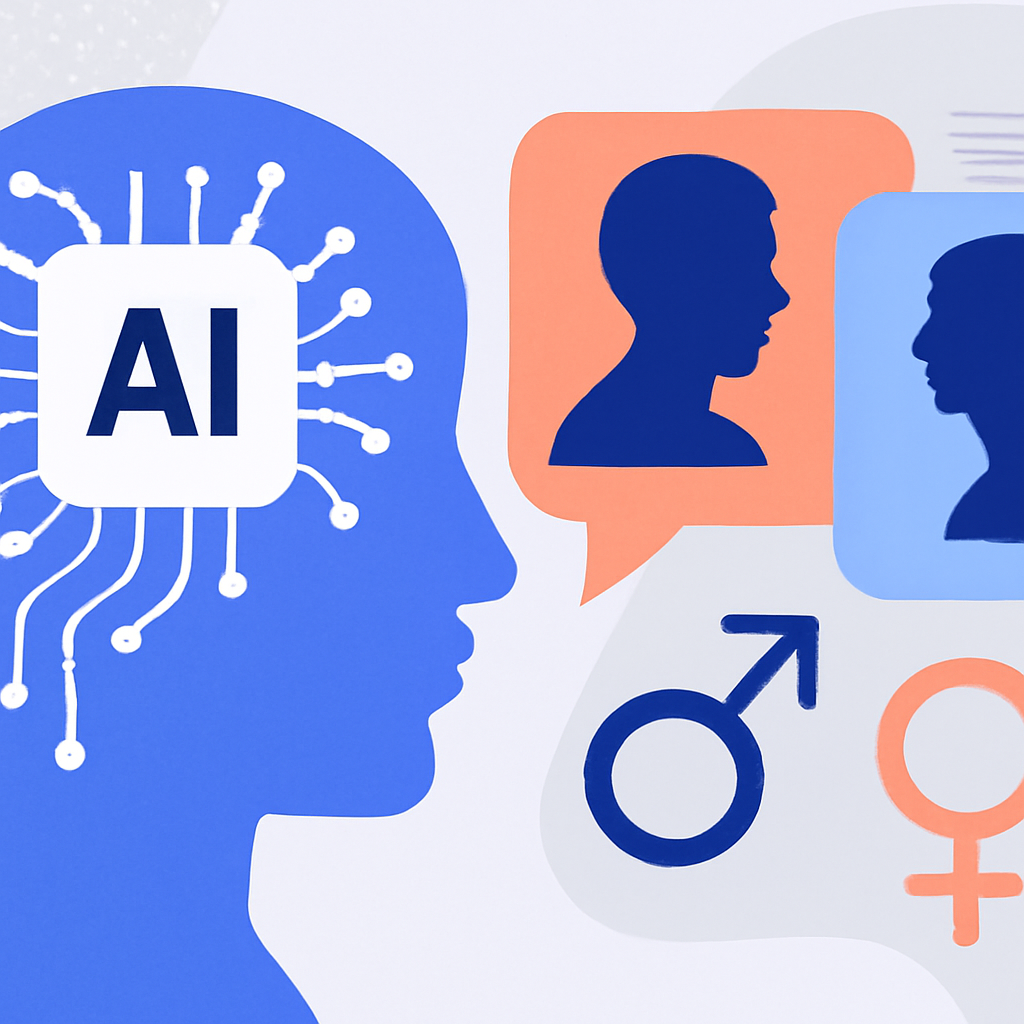
A recent report from UN Women claims that artificial intelligence (AI) and automated systems not only adopt existing gender stereotypes but actively reinforce them. This leads to increased aggression in online spaces and the exclusion of women from participating in the development of technologies that shape the digital landscape.
Why It Matters
These findings have serious implications for users and the entire tech industry. If AI continues to uphold biases, it could exacerbate inequalities in access to technology and, consequently, weaken women's positions in various fields. This also jeopardizes the reliability and fairness of technologies that are becoming integral to our lives.
Context
In recent years, the development of AI has become one of the most discussed topics. However, attention to issues of gender equality and bias in technology is growing slowly. Gender biases in algorithms can arise because they are trained on data that contains historical prejudices. Thus, if the data on which systems are trained reflect inequality, the outputs of these systems will be biased as well.
What It Means
The UN's findings underscore the need for a serious re-evaluation of approaches to AI and automated system development. It's crucial that diversity and inclusivity are considered in technology creation to avoid perpetuating and amplifying existing biases. Society must actively engage in discussing and addressing these issues so that technology serves the benefit of all, rather than just a select group of people.