What happened
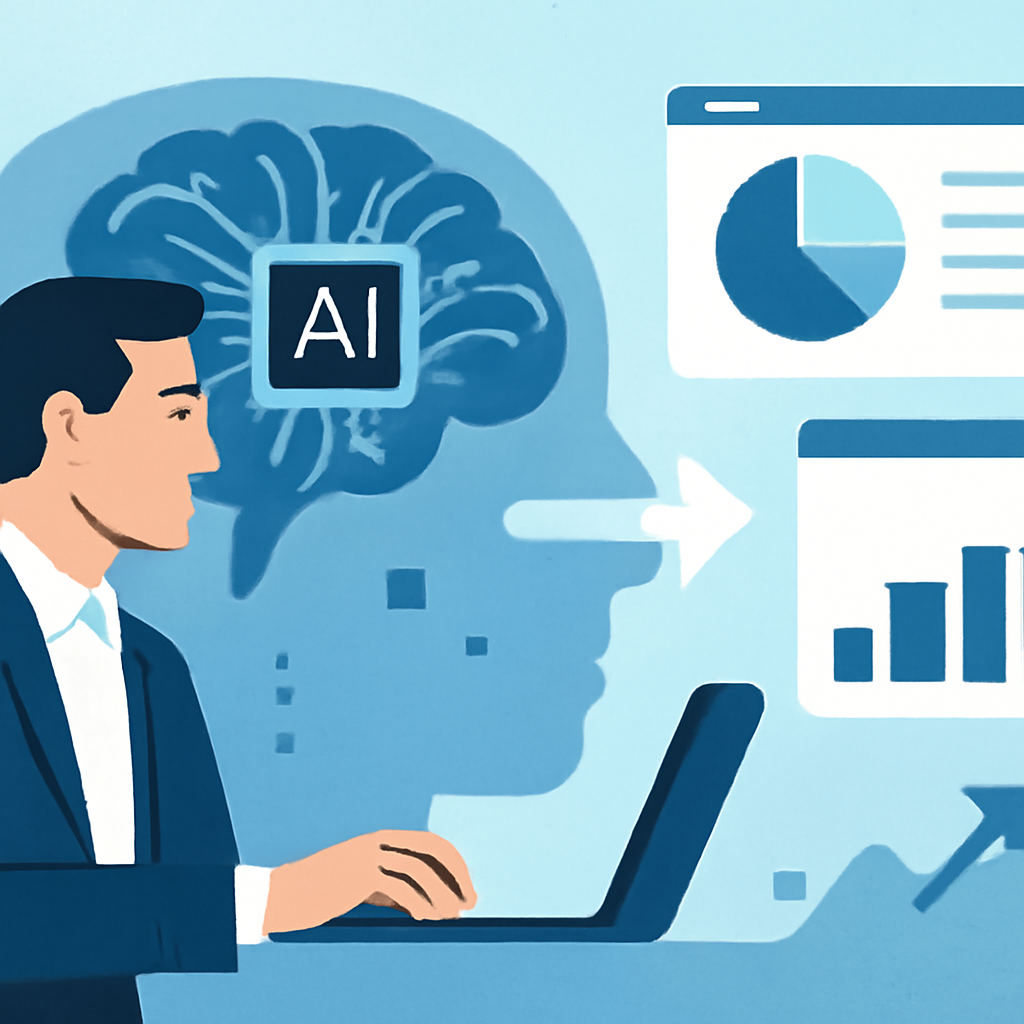
More businesses are turning to AI models such as ChatGPT, Claude, and Gemini for software recommendations before they even consider traditional search engines like Google. This shift is creating a new distribution channel for software vendors, where the AI's recommendations can significantly influence buyer decisions. Tracking these recommendations reveals striking disparities among vendors, particularly in the CRM category.
Why this matters
The fact that AI models are becoming a primary source for software recommendations means that vendors need to reassess their visibility and positioning in the market. For example, HubSpot dominates the CRM space according to AI recommendations, capturing 54% of first picks. In contrast, Salesforce trails far behind at only 13%. This concentration indicates that a few key players are reaping the majority of the benefits while others struggle to gain traction.
Context
Historically, software vendors relied on traditional marketing and SEO strategies to reach potential buyers. However, with the rise of AI-driven decision-making, these methods may no longer suffice. Many vendors are unaware of their current standing in this new landscape, particularly regarding how AI perceives them compared to competitors. The data suggests a significant shift in how buyers research and evaluate software options.
What this means
The growing reliance on AI for software recommendations presents both challenges and opportunities for B2B vendors. The gap between being considered and being the first pick is particularly telling. For instance, while Pipedrive appears in 47% of shortlists, it only secures 8% of first picks. This indicates that there is substantial room for improvement in how vendors position themselves in AI queries. Vendors should pay close attention to AI trends in their categories to enhance their visibility and ultimately capture more leads. Understanding these dynamics can be crucial for any company looking to thrive in a rapidly evolving market.