What happened
In a significant shift within the AI landscape, Anthropic recently introduced their most advanced models to date: Fable 5 and Mythos 5. However, following their release, the Trump administration intervened, mandating that access be restricted to foreign nationals due to cybersecurity concerns. Anthropic decided to halt access altogether, stating that they could not effectively enforce this restriction. This decision underscores the sensitivity surrounding these models, particularly their ability to identify software vulnerabilities—an alarming capability that caught the attention of the U.S. government.
Why this is important
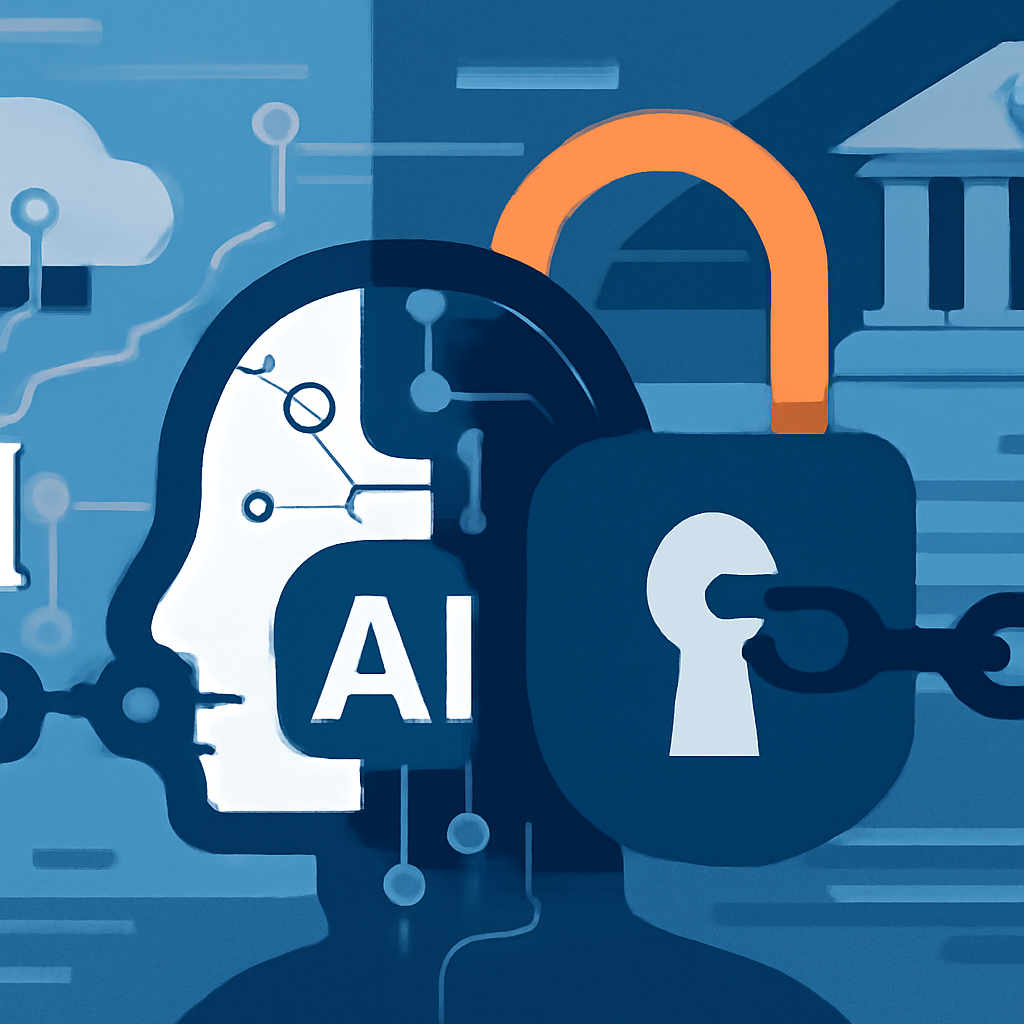
The implications of these restrictions are profound. With the advent of OpenAI's GPT-5.6, which is also locked down to a small group of government-approved partners, the most cutting-edge AI tools are effectively no longer available to the public. This creates a scenario where access to transformative technology is controlled by governmental authority, limiting innovation and collaboration outside of a select circle. Developers, enterprises, and global partners who could benefit from these advancements now find themselves on the sidelines, raising concerns about the future landscape of AI.
Context
Historically, AI development has been characterized by rapid advancements and widespread access, allowing for a diverse range of applications and innovations. However, recent events signal a shift towards more stringent controls over powerful AI technologies. The government's approach reflects growing national security concerns, particularly in light of AI’s potential to impact cybersecurity and other critical infrastructure.
What this means
The current state of affairs suggests that the frontier of AI is now under significant government oversight, marking a departure from the open-access model that has defined the industry for years. For developers and researchers outside the U.S., this signals a clear message: the tools and capabilities that could drive innovation are being rationed. As the debate continues over whether this is a necessary precaution for national security or a troubling trend towards permanent restrictions, the future of AI accessibility remains uncertain. Users and developers alike will need to navigate this new landscape carefully, as the most powerful AI models become privy to government regulation and oversight.