The Essence
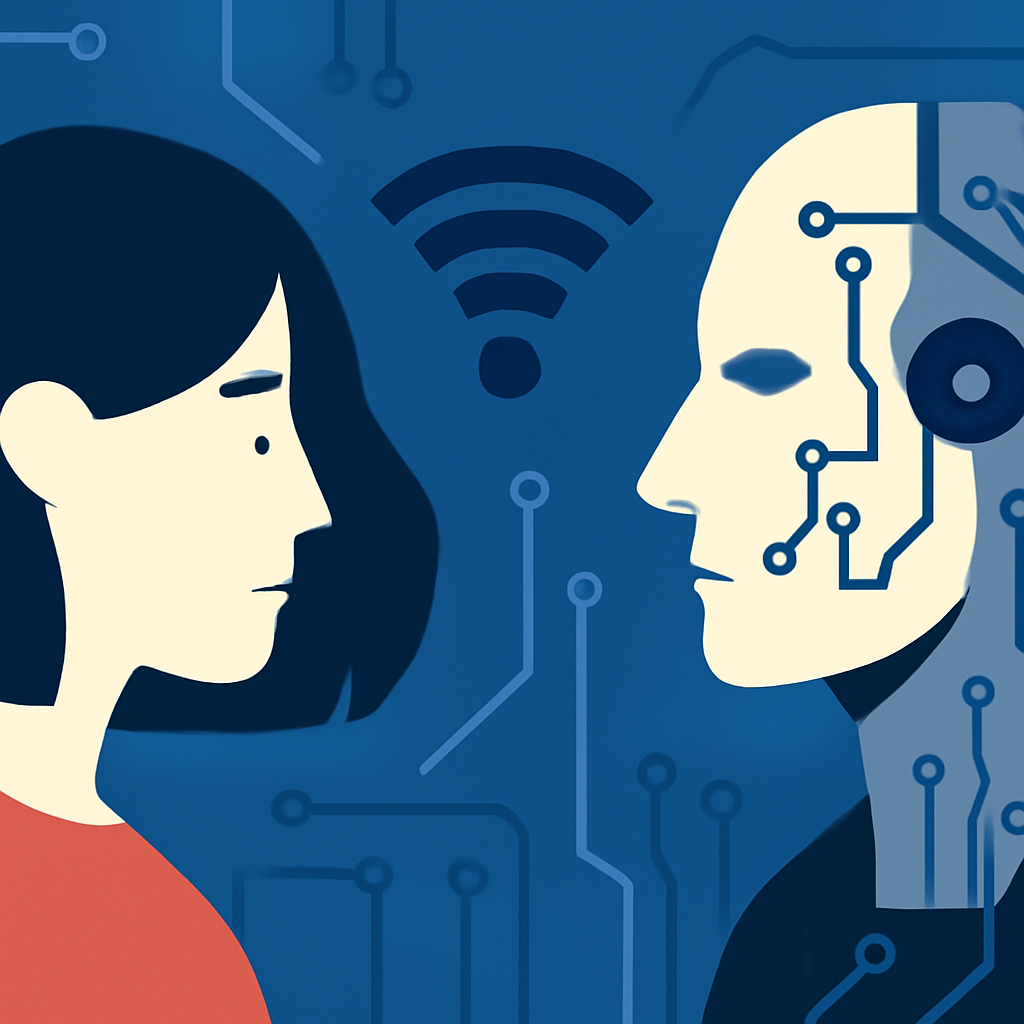
AI is revolutionizing the workplace by enhancing productivity and reducing burnout. According to recent research from Workday, 86% of employees using AI reported increased efficiency, while 62% experienced lower burnout levels. However, this technological shift is also leading to a decline in human interaction, raising concerns about employee well-being and connection.
How This Works
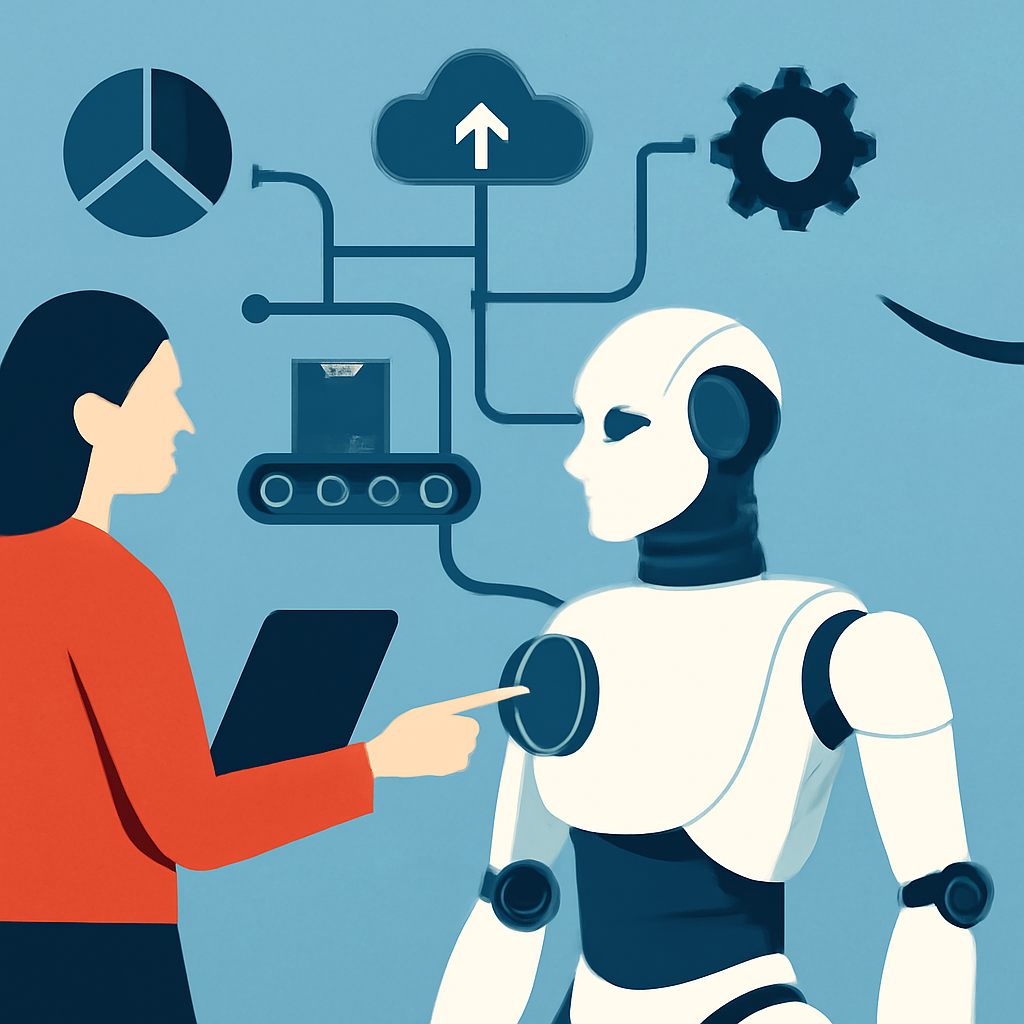
AI tools are being leveraged for various tasks, from brainstorming to decision-making and even socializing. Employees find AI appealing because it is always available, responsive, and non-judgmental. However, this reliance comes at a cost. The research reveals that 33% of employees have minimal conversations with colleagues beyond transactional tasks, and a significant 43% fear that AI will diminish their workplace interactions more than job security.
The Outcome
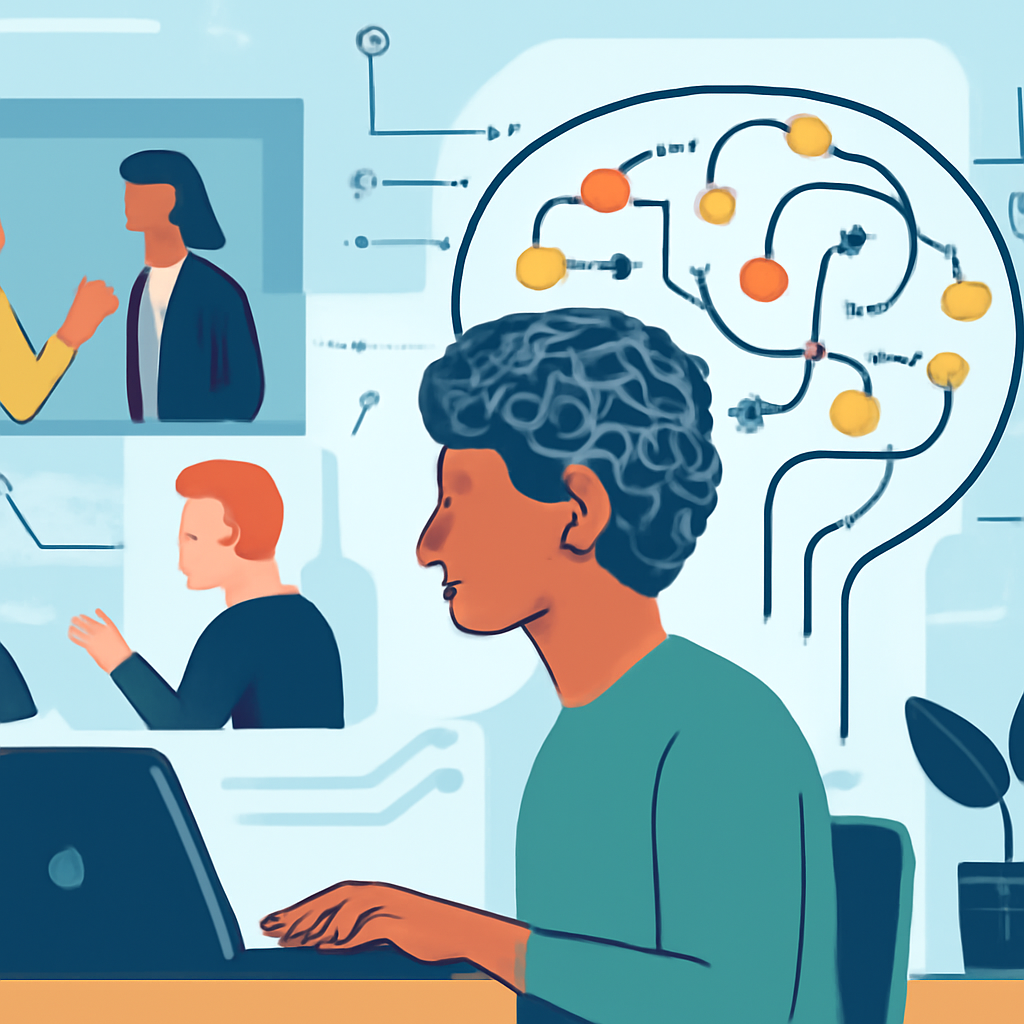
The implications are stark: 14% of employees took time off due to feelings of loneliness and social isolation. Additionally, as social connections weaken, the likelihood of fostering a sense of belonging diminishes. In a world where belonging is crucial for employee well-being, many organizations are neglecting the connection that naturally occurs in collaborative, human interactions.
Why This Matters for You
For business leaders, it’s critical to prioritize human connection alongside AI integration. Encouraging mentoring, team rituals, and collaborative projects can help counterbalance the isolation that AI may inadvertently create. Ensure that personal coaching and recognition remain integral to your workplace culture, as these are the building blocks of trust and collaboration. As you embrace technology, remember that the future of work is fundamentally a leadership challenge, focused on fostering genuine human relationships that underpin organizational success.