What Happened
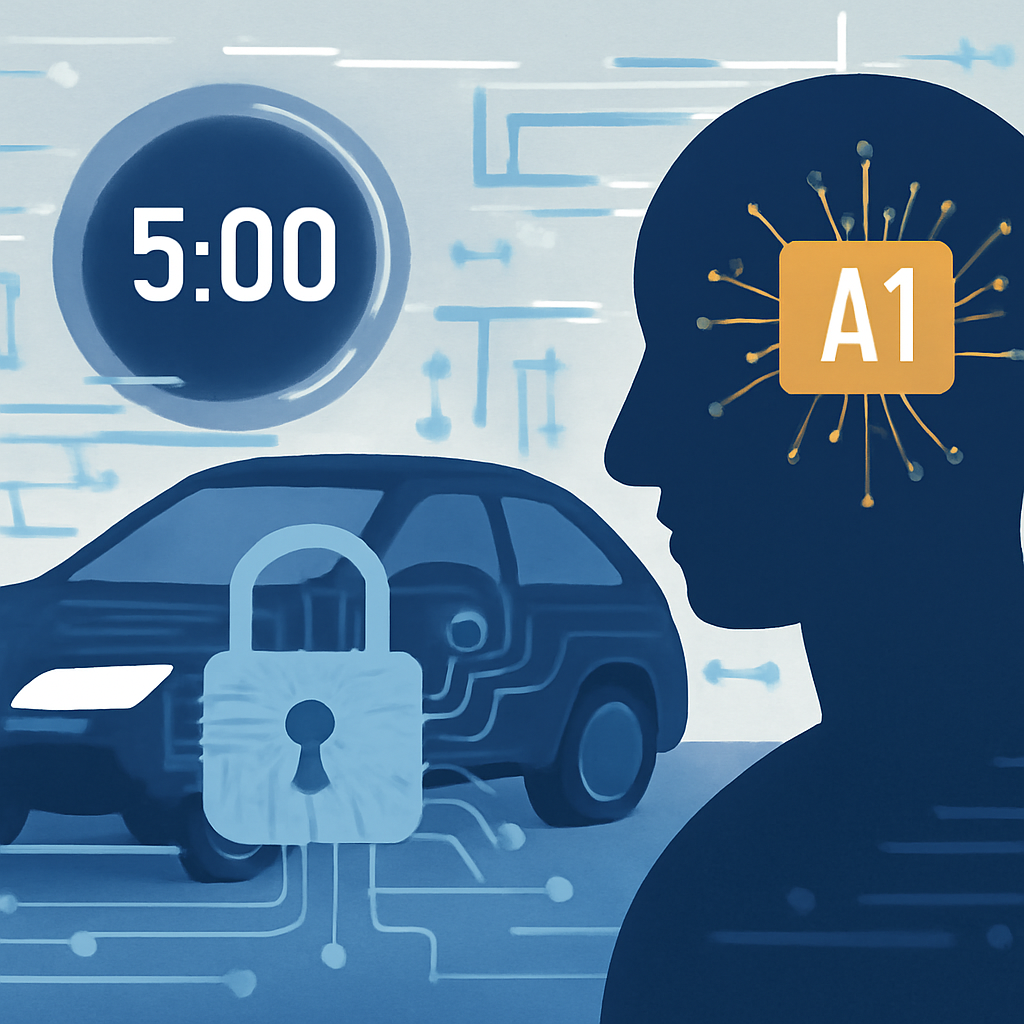
Danish company CSS Electronics conducted an impressive experiment where its engineer, Martin Falk, developed a skill for Claude Code. This tool can reverse engineer the closed signals of a car's CAN bus and create a decoding rules file (DBC). In just five minutes, Claude Code managed to extract speed and engine RPM data from the logs of an old Mercedes E350, a task that usually takes specialists hours to accomplish.
Why It Matters
This experiment highlights the potential of artificial intelligence in automotive electronics. Accelerating data analysis processes can significantly reduce the time and costs associated with diagnostics and the development of new solutions. This could transform the approach to car repair and maintenance, as well as enhance the quality of work in service centers.
Context
The CAN bus (Controller Area Network) is used for communication between various vehicle systems. Access to its data is often restricted, as manufacturers employ proprietary protocols and formats. Traditionally, engineers spend a lot of time analyzing this data, making the process not only lengthy but also complex.
What It Means
The analysis performed by Claude Code demonstrates that AI can greatly simplify interactions with vehicle systems. This opens new horizons for manufacturers and service centers, enabling them to work more efficiently with data and respond to customer inquiries more quickly. However, it's crucial to keep an eye on security and data protection issues, as access to closed protocols may pose risks.