What Happened
Andrej Karpathy, co-founder of OpenAI and former head of AI at Tesla, referred to the new product from Anthropic, Claude Tag, as the third major redesign of artificial intelligence interfaces. According to him, we are on the brink of a new era in AI interaction, where systems become more integrated into everyday processes.
Why It Matters
Claude Tag offers a novel approach to utilizing language models that could transform the way teams collaborate with AI. Instead of merely providing text-based answers, the system becomes an active participant in the workflow, equipped with access to organizational tools and context. This could significantly boost productivity and simplify interactions between humans and AI, fostering deeper collaboration.
Context
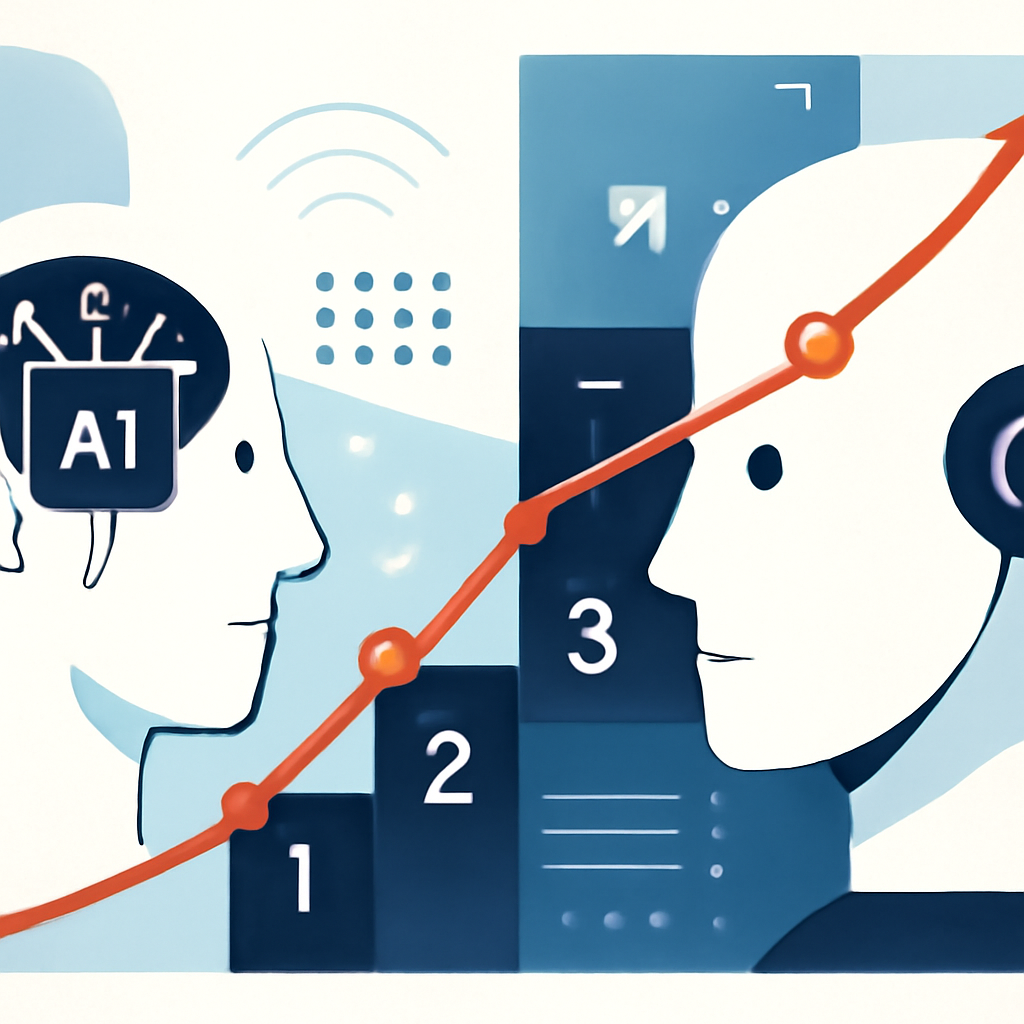
Historically, language models have evolved through several stages. The first stage consisted of websites where users could interact with AI. The second stage involved applications installed on computers, providing more localized access to functionalities. Now, with the emergence of Claude Tag, we are witnessing a shift to the third stage, where AI is not just a tool, but a fully-fledged participant in processes.
What It Means
The launch of Claude Tag may signify that companies will begin to view AI not just as a supportive tool but as an active partner that can collaborate with teams. This shift could impact numerous industries, including software development, marketing, and project management. In the future, AI may become an integral part of teamwork, opening new horizons for businesses and enhancing operational efficiency.