What Happened
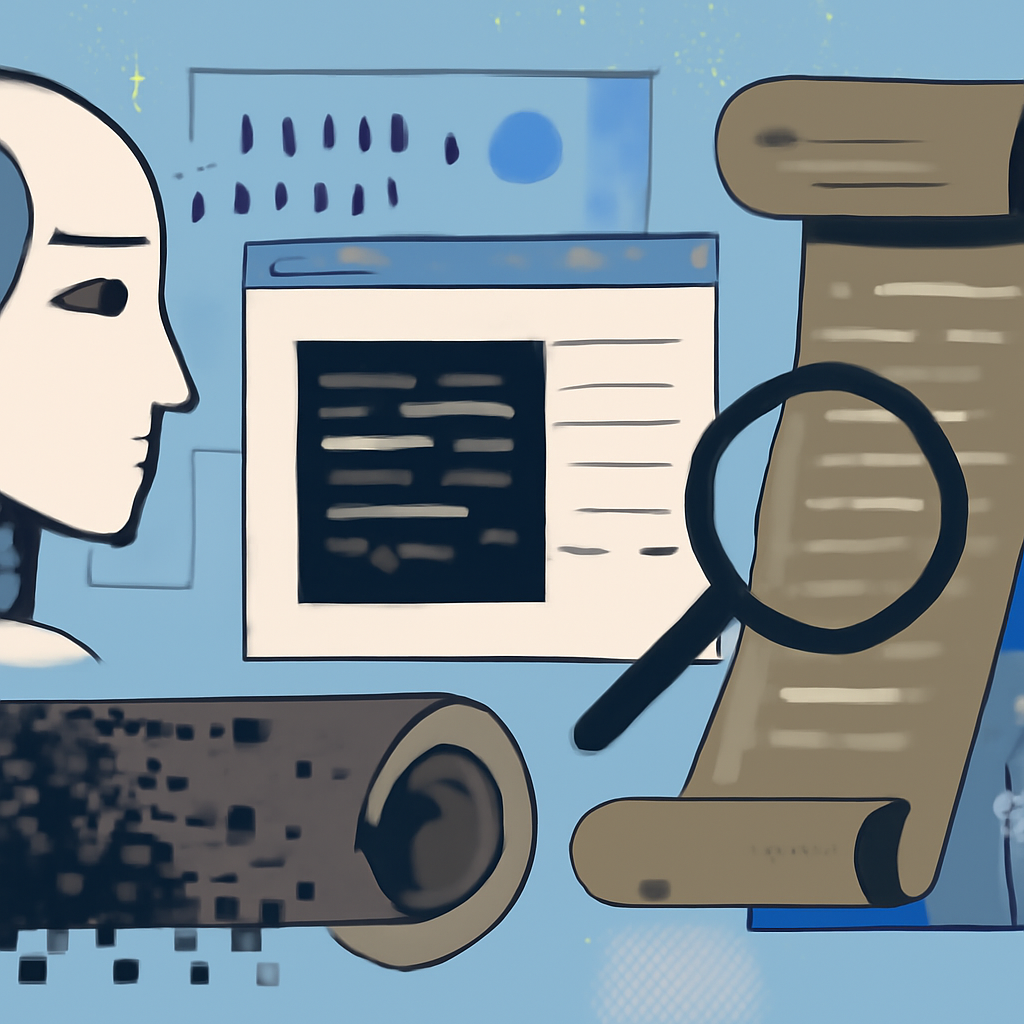
A scroll that was burned during the eruption of Vesuvius nearly 2000 years ago has been successfully decoded using artificial intelligence technologies. The papyrus, cataloged as PHerc. 1667 and discovered in the ancient city of Herculaneum, was too fragile for physical unrolling, but thanks to the Vesuvius Challenge project, its text was recovered without the need for unfolding.
Why It Matters
The decoding of this scroll opens new horizons for the study of ancient Roman literature and history. The use of artificial intelligence to restore texts from damaged artifacts could revolutionize approaches to archaeology and the humanities. It may also lead to broader applications of similar technologies for analyzing other fragments that were previously inaccessible for research.
Context
The scrolls from Herculaneum were buried under volcanic ash in AD 79 and remain among the few surviving texts from that era. The Vesuvius Challenge initiative aims to leverage modern technologies to decode these ancient documents, representing a significant advancement in archaeology and history. The AI-based approach has been made possible by advancements in computer vision and image processing.
What It Means
The technology used to decode the scroll demonstrates that artificial intelligence can not only accelerate the process of analyzing historical artifacts but also significantly enhance the quality of that analysis. This discovery may inspire further research and projects aimed at restoring cultural heritage that has been lost or damaged. We can expect that in the future, similar technologies will be actively used to study other historical artifacts, allowing for a deeper understanding of our past.