What happened
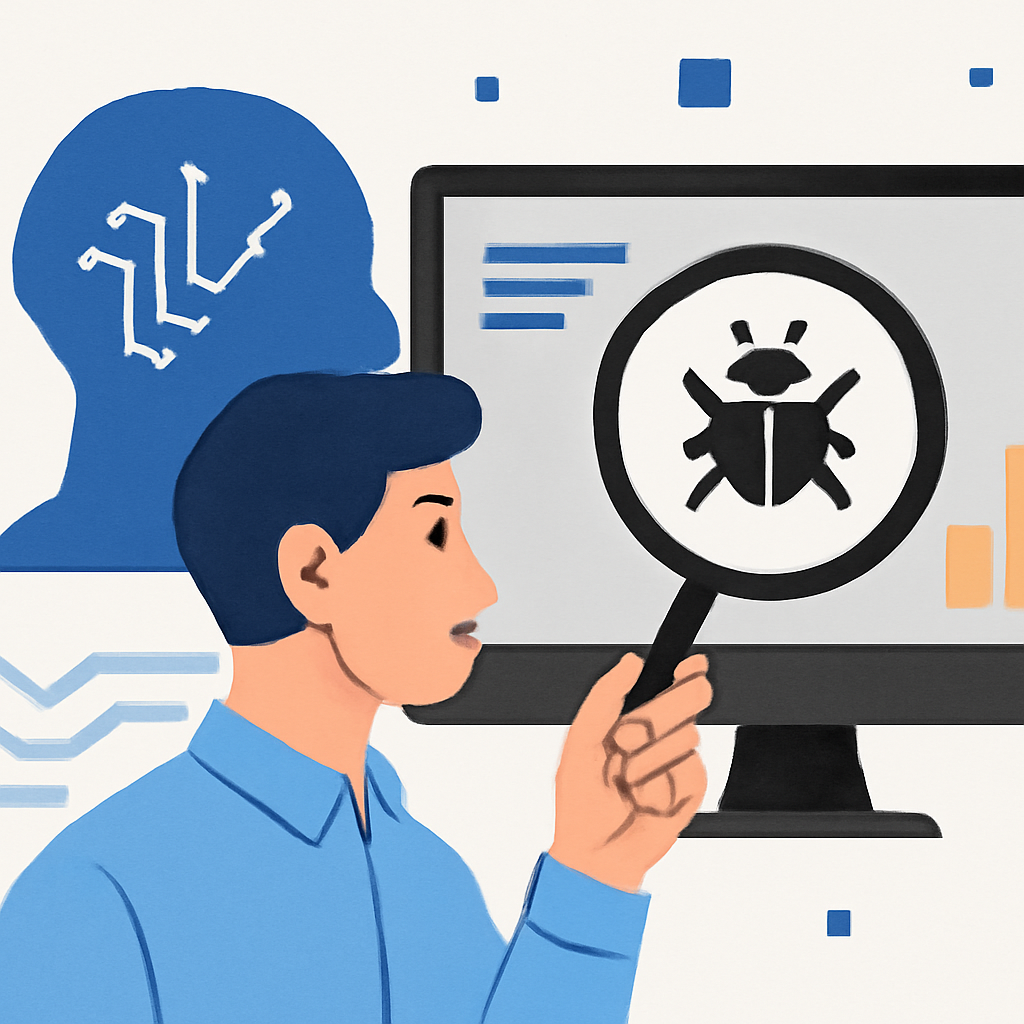
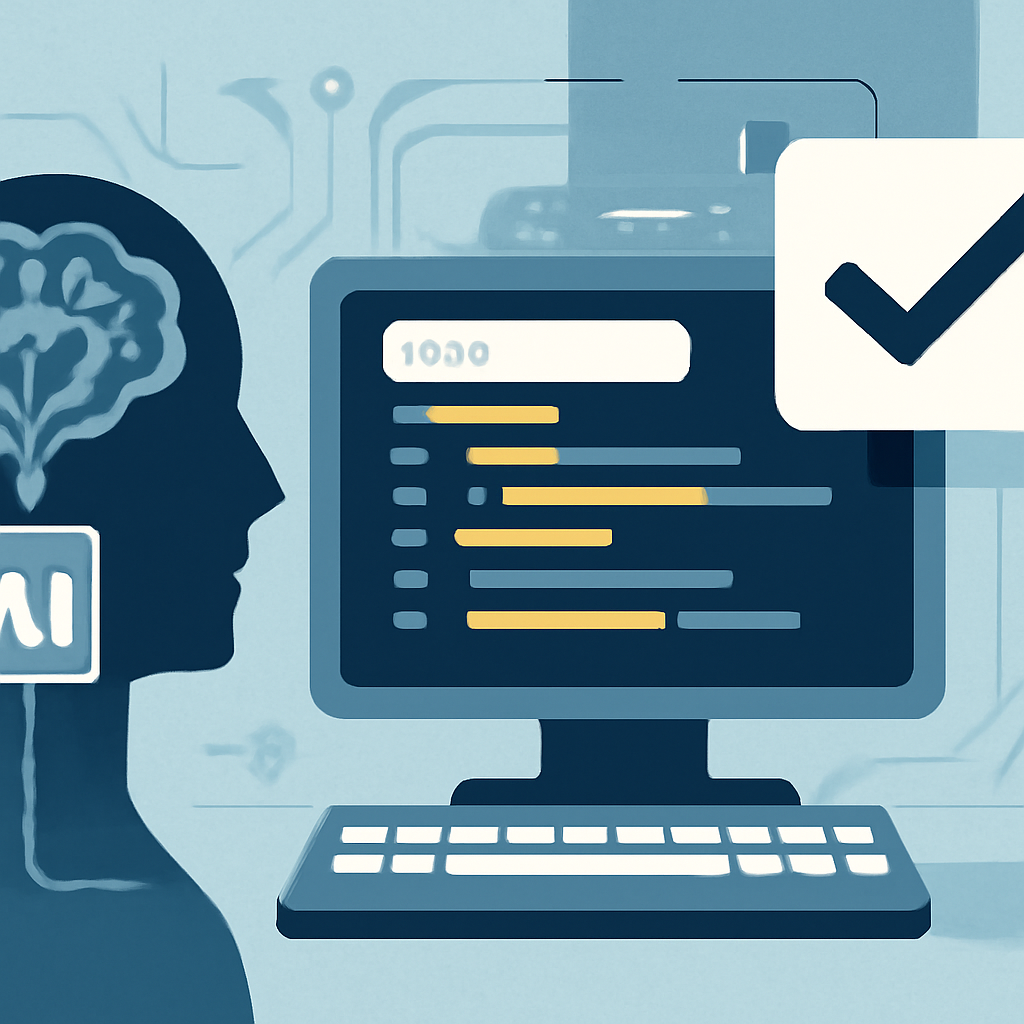
A developer has created a tool called 'agent-done-or-not' designed to tackle a common frustration with AI coding agents: they often declare tasks as 'done' without running necessary verification checks. This small utility acts as a gatekeeper, ensuring that coding agents can only finish their tasks if they provide proof of successful completion. It wraps around verification commands and blocks the agent from finishing unless the latest check passes.
Why this matters
This innovation addresses a significant pain point for developers relying on AI coding assistance. By enforcing a verification step, it aims to improve the reliability of AI-generated code outputs. As developers increasingly integrate AI into their workflows, tools that enhance the accountability and performance of these systems are essential. This could lead to greater trust in AI tools, potentially increasing their adoption in more critical coding tasks.
Context
AI coding agents, like Codex and Claude Code, have revolutionized how developers approach coding tasks. However, their outputs can be hit or miss, often leading to wasted time in debugging and testing. The introduction of a proof-of-completion mechanism is a response to these challenges, pushing for better standards in AI assistance tools. This tool is designed to be simple and dependency-free, making it accessible for various coding environments.
What this means
The 'agent-done-or-not' tool not only streamlines the process of verifying code completion but also sets a precedent for future developments in AI coding tools. By shifting the focus from mere completion to verified results, this approach could lead to more robust coding practices. If widely adopted, it may inspire further innovations that prioritize accountability in AI-assisted coding, ultimately leading to better quality software development practices.