What happened
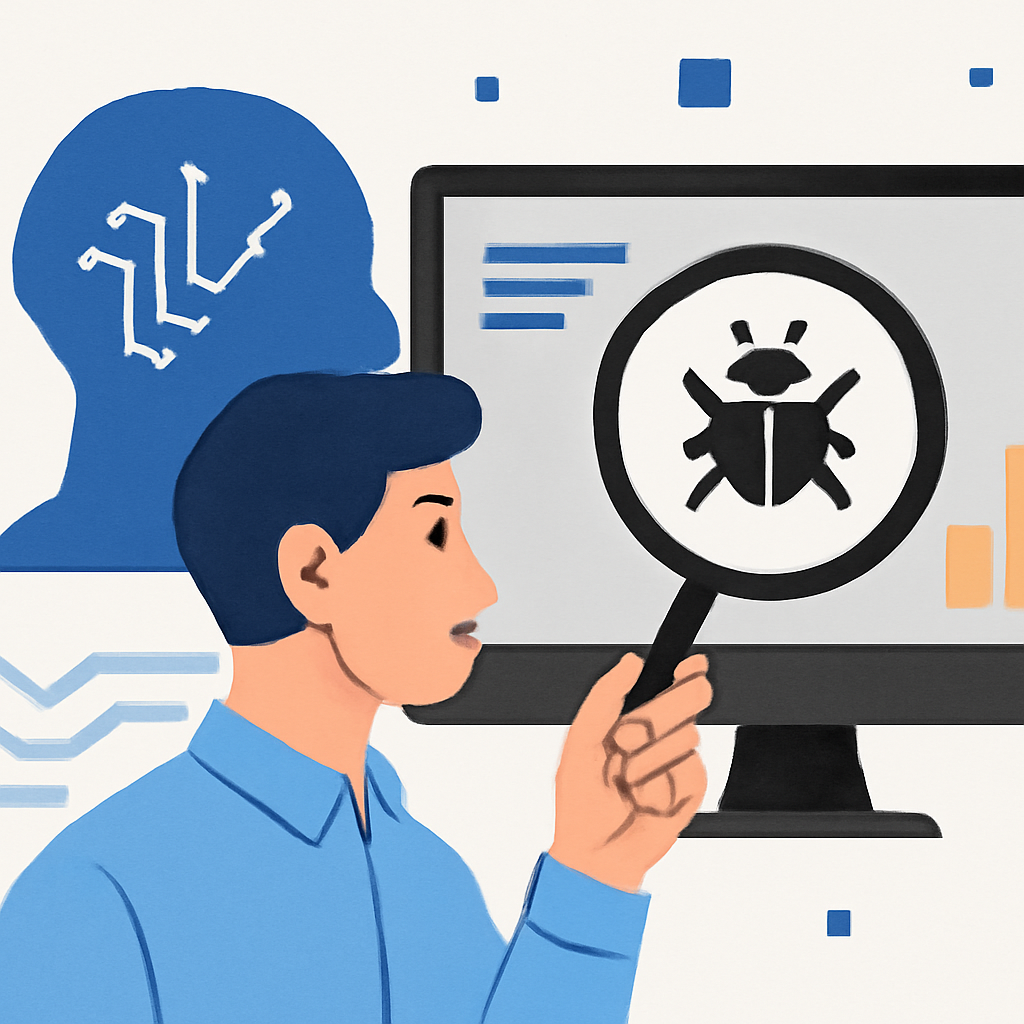
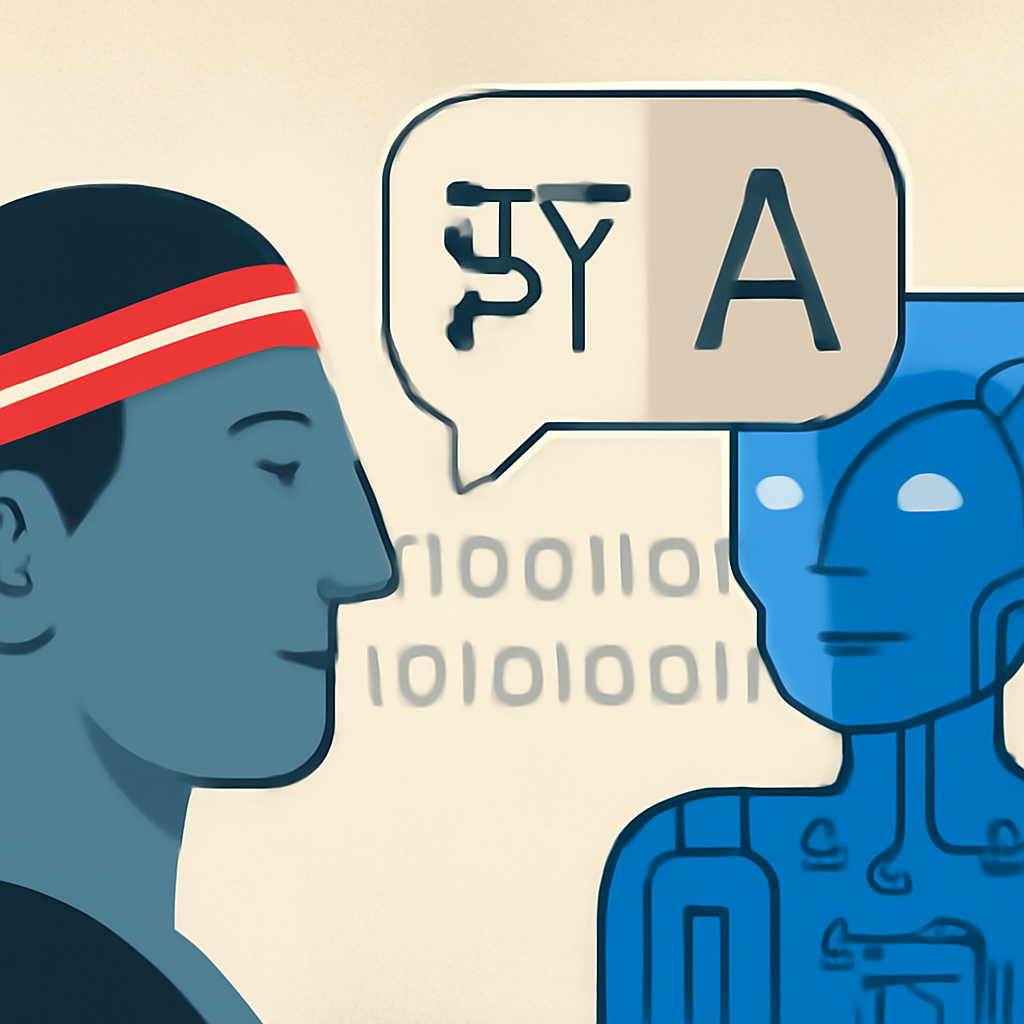
AI app development has seen a remarkable transformation, becoming more accessible thanks to a range of tools and resources. Open-source models, APIs, and no-code platforms have lowered the barrier to entry, allowing individuals and teams to build AI-powered applications without needing extensive technical expertise.
Why this matters
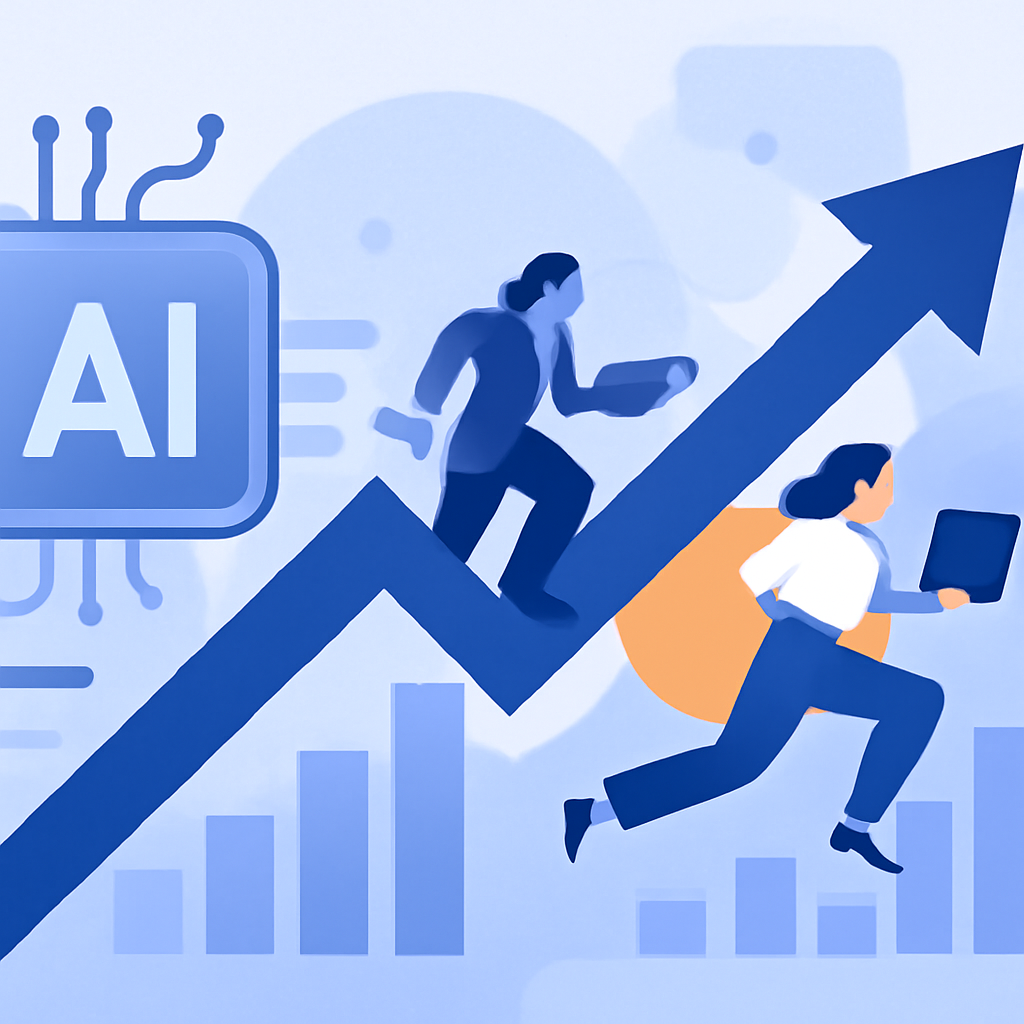
While the tools to build AI applications are plentiful, the market is also becoming increasingly saturated. Every week, new products such as chatbots and productivity tools emerge, leading to fierce competition. This shift means that developers now face the dual challenge of not only mastering the technology but also ensuring their products stand out in a crowded marketplace.
Context
Historically, developing AI solutions required significant technical knowledge and resources. However, innovations in machine learning frameworks and user-friendly platforms have democratized access to AI development. As a result, a wider range of creators—ranging from startups to individual hobbyists—can now enter the space, leading to a rapid expansion of the AI application landscape.
What this means
The focus of development teams is shifting from solely building AI models to understanding user needs and creating workflows that enhance user experience. This change indicates that while the technical challenges of AI development are becoming more manageable, the real work may now involve understanding the market and user preferences. For teams, investing time in user-centric design and functionality may prove to be more critical than simply selecting the right AI model. As the landscape evolves, success will likely depend on a balance between technology and user engagement.