What happened
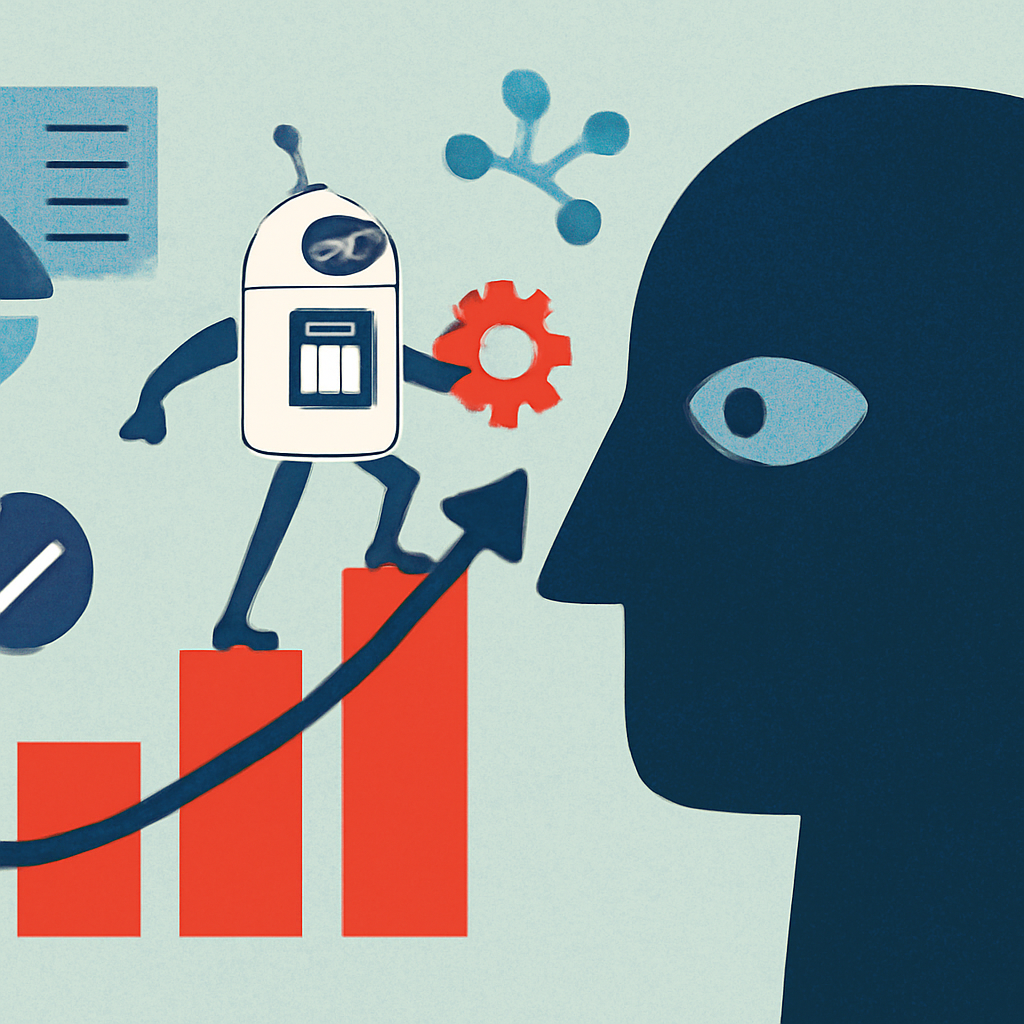
Startups are grappling with how to accurately measure the productivity of agentic AI systems. With the technology rapidly evolving, distinguishing real productivity from flashy but meaningless demos is crucial for gaining trust among investors and users.
Why this matters
The ability to measure AI productivity effectively can have significant implications for startups. Reliable metrics can help secure funding, attract users, and ultimately lead to successful business outcomes. If investors cannot trust in the productivity claims of AI systems, they may hesitate to invest in promising technologies, stifling innovation.
Context
Agentic AI refers to systems that operate autonomously to complete tasks and make decisions without direct human intervention. As these systems become more prevalent, especially in industries like publishing and operations, the need for robust measurement strategies becomes increasingly urgent. Traditional metrics may not suffice to capture the unique capabilities and challenges of agentic AI.
What this means
To demonstrate genuine productivity, startups should focus on a variety of metrics. These could include the time taken from request to delivery of a usable product, the number of corrections needed from human operators, and the system’s ability to function under restricted conditions. Additionally, confirming that sensitive data remains secure and that outputs lead to tangible business actions are essential. By establishing a clear framework for measuring agentic AI's performance, startups can build credibility and showcase real value, rather than just impressive visuals.