What happened
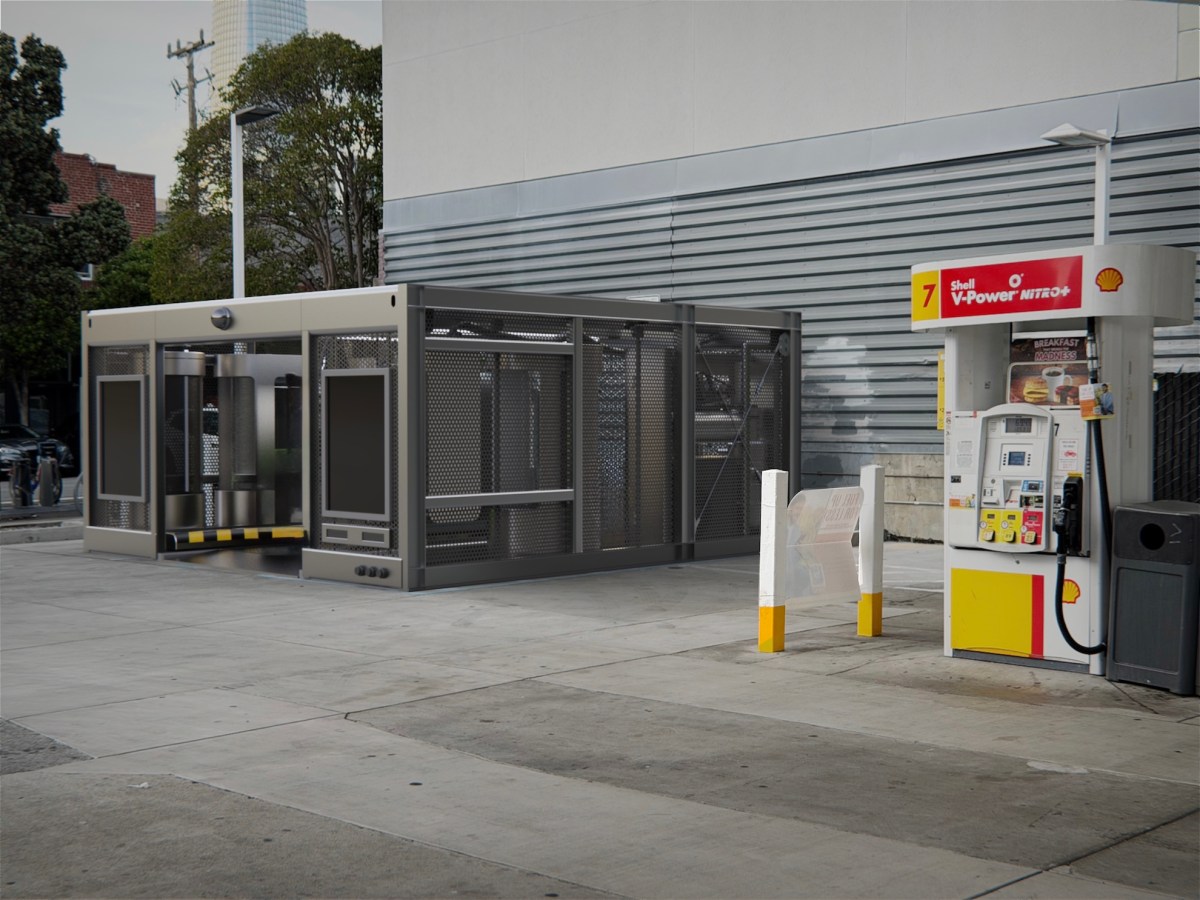
Aseon Labs, a startup that recently graduated from Y Combinator's spring 2026 cohort, has successfully secured $10 million in funding. This funding round included contributions from Crane Venture Partners among others. The startup is tackling a significant inefficiency in the robotaxi industry: the time and resources spent on cleaning and recharging vehicles.
Why this matters
Robotaxis are becoming an increasingly popular mode of transport, but their operational efficiency is hindered by lengthy downtime for cleaning and charging. This inefficiency not only slows down service but also adds considerable operational costs for companies. Aseon Labs is poised to address these challenges, potentially allowing robotaxi fleets to maximize their productivity and reduce operational costs significantly. If successful, this could lead to improved service for users and a more robust market for autonomous vehicles.
Context
The concept of robotaxis is not new, with major tech companies and automakers investing heavily in autonomous vehicle technology. However, operational hurdles like cleaning and charging have been overlooked until now. As the industry matures, startups like Aseon Labs are stepping in to tackle these overlooked inefficiencies, indicating a shift towards optimizing existing technology rather than just developing new vehicles.
What this means
Aseon Labs' focus on reducing the downtime of robotaxis could have far-reaching implications for the autonomous transportation market. By enhancing the operational efficiency of these vehicles, the startup could help companies reduce costs and improve service availability. This could also lead to increased adoption of robotaxis by consumers, as issues related to wait times and availability are addressed. Overall, Aseon Labs represents a critical step towards the sustainable growth of the robotaxi industry, aligning with the broader trends of technological innovation and operational efficiency in transport.